


Items filtered by date: October 2024
The Effects of Fabry Disease on the Feet
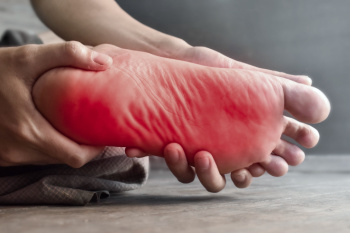
An unusual systemic condition that can affect the feet is Fabry disease, a rare genetic disorder that impacts the body's ability to break down a specific type of fat. This leads to the buildup of fat in various organs, including the skin, nervous system, and kidneys. In the feet, Fabry disease often causes painful burning sensations or tingling, particularly in the soles and toes, due to nerve damage, or peripheral neuropathy. These symptoms can be triggered or worsened by physical exertion, stress, or changes in temperature. Additionally, people with Fabry disease may experience decreased sweating, which can lead to dry, cracked skin on the feet, making them more prone to infections. Because Fabry disease affects multiple systems in the body, it requires careful management by specialists. If you suffer from Fabry disease or have these types of foot symptoms, it is strongly suggested that you consult a podiatrist for early intervention and control of foot problems to prevent long-term damage.
When dealing with systemic disease of the feet, it is extremely important to check the affected areas routinely so that any additional problems are caught quickly. If you have any concerns about your feet and ankles contact one of our podiatrists from Foot and Ankle Reconstruction of Georgia. Our doctors will assist you with all of your podiatric needs.
Systemic Diseases of the Feet
Systemic diseases affect the whole body, and symptoms usually are displayed in the feet. This condition can make a patient’s ability to walk unbearable. Systemic diseases include gout, diabetes mellitus, neurological disorders, and arthritis.
Gout – is caused by an excess of uric acid in the body. Common symptoms include pain, inflammation, and redness at the metatarsal/phalangeal joint of the base big toe. Gout can be treated by NSAIDs to relieve pain and inflammation, and other drugs that lower the acid levels in the body.
Diabetes mellitus – is an increase in the level of blood sugar that the body cannot counteract with its own insulin. Failure to produce enough insulin is a factor in Diabetes.
Diabetes of the Feet
Diabetic Neuropathy – may lead to damaged nerves and affect the feet through numbness and loss of sensation.
Peripheral Vascular Disease – can restrict the blood flow to the feet, and often times lead to amputation of the feet.
If you have any questions please contact our offices located in Woodstock, Jasper, and Marietta, GA . We offer the newest diagnostic and treatment technologies for all your foot and ankle needs.
Common Diabetic Foot Problems
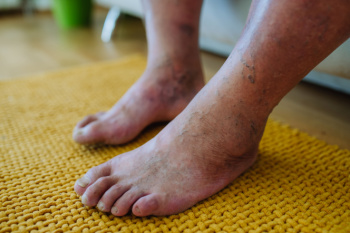
Foot problems in diabetic patients are a leading cause of lower extremity amputations, often resulting from poor circulation and nerve damage, or neuropathy. Diabetes can reduce sensation in the feet, making it difficult to notice injuries like cuts, blisters, or ulcers. These minor injuries can easily become infected, and due to poor healing capacity, infections may worsen and lead to more severe symptoms, if not treated promptly. Regular foot screenings are essential for diabetic patients and education plays a critical role in diabetic foot care. If you have diabetes, it is strongly suggested that you have your feet checked by a podiatrist regularly for early detection of potential complications.
Diabetic foot care is important in preventing foot ailments such as ulcers. If you are suffering from diabetes or have any other concerns about your feet, contact one of our podiatrists from Foot and Ankle Reconstruction of Georgia. Our doctors can provide the care you need to keep you pain-free and on your feet.
Diabetic Foot Care
Diabetes affects millions of people every year. The condition can damage blood vessels in many parts of the body, especially the feet. Because of this, taking care of your feet is essential if you have diabetes, and having a podiatrist help monitor your foot health is highly recommended.
The Importance of Caring for Your Feet
- Routinely inspect your feet for bruises or sores.
- Wear socks that fit your feet comfortably.
- Wear comfortable shoes that provide adequate support.
Patients with diabetes should have their doctor monitor their blood levels, as blood sugar levels play such a huge role in diabetic care. Monitoring these levels on a regular basis is highly advised.
It is always best to inform your healthcare professional of any concerns you may have regarding your feet, especially for diabetic patients. Early treatment and routine foot examinations are keys to maintaining proper health, especially because severe complications can arise if proper treatment is not applied.
If you have any questions, please feel free to contact our offices located in Woodstock, Jasper, and Marietta, GA . We offer the newest diagnostic and treatment technologies for all your foot care needs.
Achilles Tendon Tears and Treatment
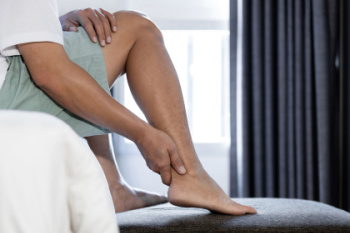
Achilles tendon tears occur when the tendon connecting the calf muscles to the heel bone is overstretched or ruptured, often during activities that involve sudden movements or intense stress, such as jumping or sprinting. Common causes include sports injuries, falls, or sudden increases in physical activity without proper conditioning. Risk factors include aging, tight calf muscles, and certain medications that weaken the tendon. Symptoms of an Achilles tendon tear include a sharp pain in the back of the ankle, swelling, difficulty walking, and an inability to push off the foot or stand on tiptoes. Some may hear a pop sound at the moment of injury. Diagnosis is typically made through physical examination, where a gap in the tendon may be felt, along with imaging tests like ultrasounds or MRI scans. Treatment options range from rest and immobilization in mild cases to surgery for more severe tears. If you have injured your Achilles tendon, it is suggested that you schedule an appointment with a podiatrist for a proper diagnosis and treatment.
Achilles tendon injuries need immediate attention to avoid future complications. If you have any concerns, contact one of our podiatrists of Foot and Ankle Reconstruction of Georgia. Our doctors can provide the care you need to keep you pain-free and on your feet.
What Is the Achilles Tendon?
The Achilles tendon is a tendon that connects the lower leg muscles and calf to the heel of the foot. It is the strongest tendon in the human body and is essential for making movement possible. Because this tendon is such an integral part of the body, any injuries to it can create immense difficulties and should immediately be presented to a doctor.
What Are the Symptoms of an Achilles Tendon Injury?
There are various types of injuries that can affect the Achilles tendon. The two most common injuries are Achilles tendinitis and ruptures of the tendon.
Achilles Tendinitis Symptoms
- Inflammation
- Dull to severe pain
- Increased blood flow to the tendon
- Thickening of the tendon
Rupture Symptoms
- Extreme pain and swelling in the foot
- Total immobility
Treatment and Prevention
Achilles tendon injuries are diagnosed by a thorough physical evaluation, which can include an MRI. Treatment involves rest, physical therapy, and in some cases, surgery. However, various preventative measures can be taken to avoid these injuries, such as:
- Thorough stretching of the tendon before and after exercise
- Strengthening exercises like calf raises, squats, leg curls, leg extensions, leg raises, lunges, and leg presses
If you have any questions please feel free to contact our offices located in Woodstock, Jasper, and Marietta, GA . We offer the newest diagnostic tools and technology to treat your foot and ankle needs.
Get Professional Care for a Broken Foot or Ankle

Constant care and regular evaluation are important for a foot or ankle fracture. If left untreated, foot or ankle fractures can worsen over time and create more serious problems.
Don't wait to be examined if you believe you've experienced a foot or ankle fracture.
What Is Splayfoot?
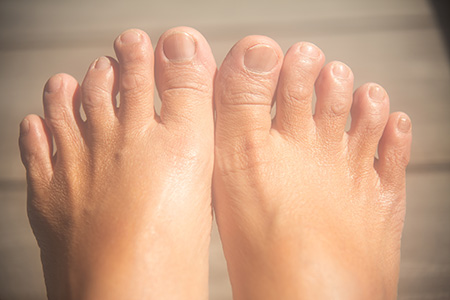
Splayfoot is a condition where the metatarsal bones, the long bones in the middle of the foot that connect the ankle to the toes, spread out, causing the forefoot to widen and the arch to flatten. This can lead to discomfort or pain, particularly during walking or standing for long periods of time. The condition often arises from wearing ill-fitting or unsupportive shoes, prolonged standing, or carrying excess weight, and it can be made worse by activities that put repetitive stress on the feet. Splay foot is commonly seen in individuals with jobs that require long hours on their feet, older adults, and those with a genetic predisposition to weaker foot structures. If you suffer from the ill effects of splay foot, it is suggested that you visit a podiatrist for a proper diagnosis and treatment.
Some foot conditions may require additional professional care. If you have any concerns, contact one of our podiatrists of Foot and Ankle Reconstruction of Georgia. Our doctors can provide the care you need to keep you pain-free and on your feet.
Rare Foot Conditions
The majority of foot conditions are common and can be treated by a podiatrist. Standard diagnostic procedures are generally used to identify specific conditions and treatment can be rendered. A podiatrist also treats rare foot conditions which can be difficult to diagnose and may need extra attention and care.
There are many rare foot conditions that can affect children. Some of these can include:
- Freiberg’s disease
- Kohler’s disease
- Maffucci syndrome
Freiberg’s disease - This can be seen as a deterioration and flattening of a metatarsal bone that exists in the ball of the foot. It typically affects pre-teen and teenage girls, but can affect anyone at any age. Symptoms that can accompany this can be swelling, stiffness, and the patient may limp.
Kohler’s disease - This often targets the bone in the arch of the foot and affects younger boys. It can lead to an interruption of the blood supply which ultimately can lead to bone deterioration. The patient may limp or experience tenderness, swelling, and redness.
Maffucci syndrome - This affects the long bones in a child’s foot leading to the development of abnormal bone lesions. They are benign growths and typically develop in early childhood and the bones may be susceptible to breaking.
A podiatrist can properly diagnose and treat all types of rare foot conditions. If your child is affected by any of these symptoms or conditions, please don’t hesitate to call our office so the correct treatment method can begin.
If you have any questions, please feel free to contact our offices located in Woodstock, Jasper, and Marietta, GA . We offer the newest diagnostic and treatment technologies for all your foot care needs.
Key Highlights of Cracked Heels
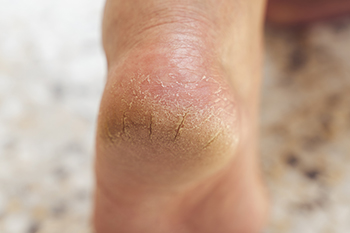
Cracked heels are a common foot condition caused by dry, thickened skin that splits or fissures around the heel. This issue often arises from prolonged pressure, dryness, or improper foot care. Symptoms include visible cracks or splits in the heel, which may be accompanied by discomfort or pain, especially when walking or standing for extended periods. In more severe cases, cracks can bleed, leading to potential infections if not properly treated. The skin surrounding the cracks may appear red or inflamed, and there might be a buildup of thickened skin. If you have severely cracked heels, it is suggested that you consult a podiatrist who can effectively treat this condition, which may include prescribed medication.
Cracked heels are unsightly and can cause further damage to your shoes and feet. If you have any concerns, contact one of our podiatrists from Foot and Ankle Reconstruction of Georgia. Our doctors can provide the care you need to keep you pain-free and on your feet.
Cracked Heels
Cracked heels appear unappealing and can make it harder for you walk around in sandals. Aside from looking unpleasant, cracked heels can also tear stockings, socks, and wear out your shoes. There are several methods to help restore a cracked heel and prevent further damage.
How Do You Get Them?
Dry skin is the number one culprit in creating cracked heels. Many athletes, walkers, joggers, and even swimmers suffer from cracked heels. Age and skin oil production play a role to getting cracked heels as well.
Promote Healing
Over the counter medicines can help, especially for those that need instant relief or who suffer from chronic dry feet.
Wear Socks – Wearing socks with medicated creams helps lock in moisture.
Moisturizers – Applying both day and night will help alleviate dryness which causes cracking.
Pumice Stones – These exfoliate and remove dead skin, which allows for smoother moisturizer application and better absorption into the skin.
Change in Diet
Eating healthy with a well-balanced diet will give the skin a fresh and radiant look. Your body responds to the kinds of food you ingest. Omega-3 fatty acids and zinc supplements can also revitalize skin tissue.
Most importantly, seek professional help if unsure how to proceed in treating cracked heels. A podiatrist will help you with any questions or information needed.
If you have any questions, please feel free to contact our offices located in Woodstock, Jasper, and Marietta, GA . We offer the newest diagnostic and treatment technologies for all your foot care needs.
