Like us on Facebook
Follow us on Twitter
Follow us on Instagram
review us on Google

How a Podiatrist Can Help Treat Morton's Neuroma

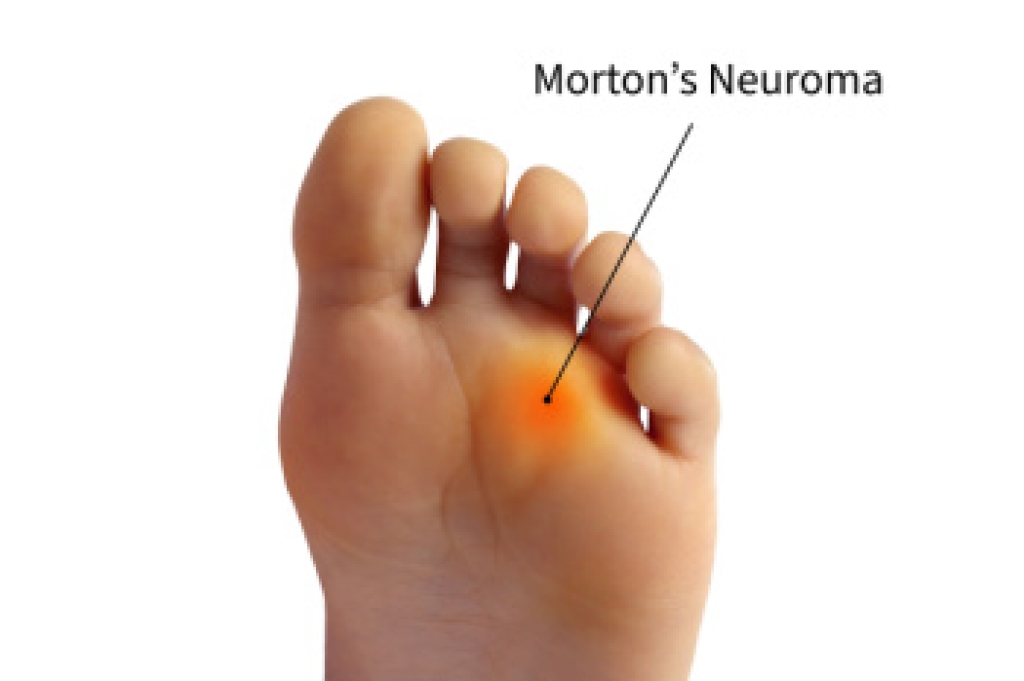
Morton's neuroma affects the tissue surrounding a nerve, most often between the third and fourth toes. Although it is called a neuroma, it is not a tumor. Instead, the tissue around the nerve becomes thickened, placing pressure on the nerve and causing discomfort. Many people describe the sensation as burning, tingling, or numbness in the front of the foot. Others feel as though they are standing on a small pebble or a fold in their sock. Symptoms may become worse while walking or during other weight-bearing activities. Because several foot conditions can produce similar symptoms, a professional evaluation is important to identify the underlying cause and recommend the most appropriate treatment.


Repeated pressure on the forefoot is believed to play a role in the development of Morton's neuroma. Factors such as foot structure, repetitive activities, or irritation of the nerve may contribute to the condition. As the affected tissue becomes thicker, pressure on the nerve can increase and symptoms may become more frequent. Ongoing discomfort may also change the way a person walks, placing additional stress on other areas of the foot. A thorough podiatry evaluation helps determine the location of the nerve irritation and rule out other causes of forefoot pain. Early diagnosis can improve treatment planning and help reduce the risk of worsening symptoms.


A podiatrist specializes in diagnosing and treating Morton's neuroma by evaluating foot structure, walking mechanics, and nerve function. Professional treatment is tailored to each patient's condition and focuses on relieving pressure on the affected nerve while improving overall foot function. Regular follow-up visits allow progress to be monitored and treatment to be adjusted when necessary. Early podiatry care may also help reduce pain and support a more comfortable return to daily activities. If burning pain, tingling, or numbness in your forefoot is affecting your mobility, it is suggested that you consult a podiatrist for an evaluation and appropriate treatment options.

Morton’s neuroma is a very uncomfortable condition to live with. If you think you have Morton’s neuroma, contact one of our podiatrists of Foot and Ankle Reconstruction of Georgia. Our doctors will attend to all of your foot care needs and answer any of your related questions.  

Morton’s Neuroma

Morton's neuroma is a painful foot condition that commonly affects the areas between the second and third or third and fourth toe, although other areas of the foot are also susceptible. Morton’s neuroma is caused by an inflamed nerve in the foot that is being squeezed and aggravated by surrounding bones.

What Increases the Chances of Having Morton’s Neuroma?

  • Ill-fitting high heels or shoes that add pressure to the toe or foot
  • Jogging, running or any sport that involves constant impact to the foot
  • Flat feet, bunions, and any other foot deformities

Morton’s neuroma is a very treatable condition. Orthotics and shoe inserts can often be used to alleviate the pain on the forefront of the feet. In more severe cases, corticosteroids can also be prescribed. In order to figure out the best treatment for your neuroma, it’s recommended to seek the care of a podiatrist who can diagnose your condition and provide different treatment options.

If you have any questions, please feel free to contact our offices located in Woodstock, Jasper, and Marietta, GA . We offer the newest diagnostic and treatment technologies for all your foot care needs.

Read more about What is Morton's Neuroma?

Get Proper Treatment for Ankle Injuries

If you're experiencing ankle pain, you may be suffering from an ankle injury. Sprains, fractures, Achilles tendonitis, and Achilles tendon ruptures are just some examples of potential ankle injuries. Don't wait for care for an ankle injury, as it may worsen over time. We can help!

Heel Pain May Indicate Plantar Fasciitis

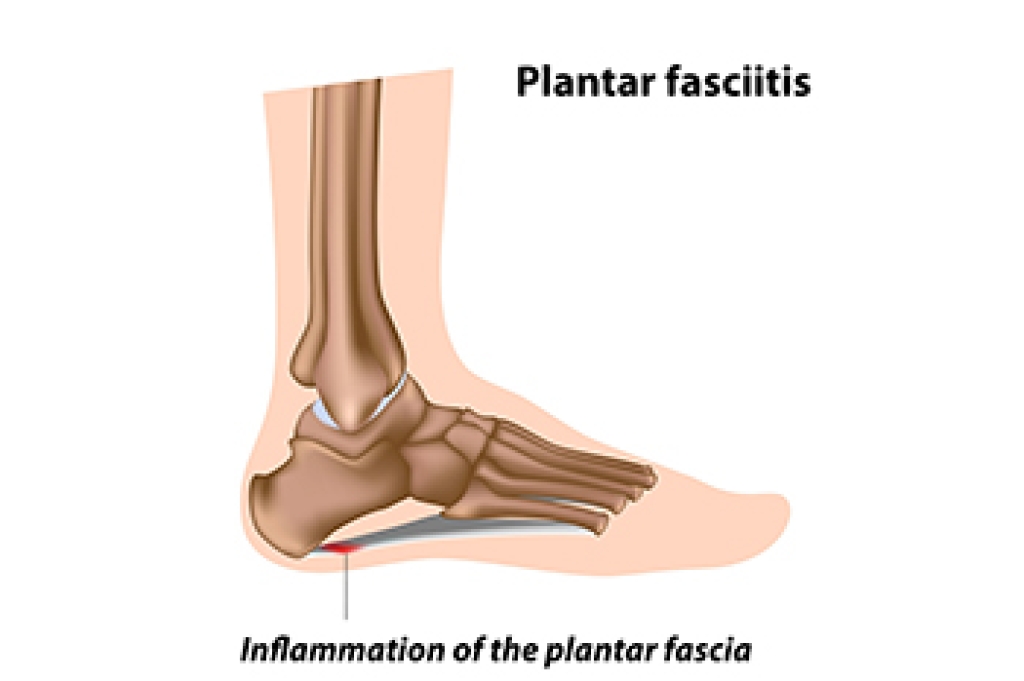
Plantar fasciitis is a common cause of heel pain that affects the thick band of tissue called the plantar fascia. This tissue runs along the bottom of the foot and supports the arch. The condition develops when the plantar fascia becomes irritated or inflamed due to repeated stress. It is often seen in individuals who spend long hours standing or walking. Understanding the definition and causes of plantar fasciitis can help individuals take early steps toward relief and prevention.

Symptoms of plantar fasciitis typically include sharp heel pain, especially with the first steps in the morning. The pain may decrease with movement, but can return after long periods of standing or activity. Some individuals notice stiffness along the bottom of the foot or a burning sensation near the heel. Tenderness when pressing on the heel is also common. These symptoms can interfere with daily routines and reduce mobility if not managed properly.


Several risk factors increase the likelihood of developing plantar fasciitis. Flat feet, high arches, and improper foot alignment can place added strain on the plantar fascia. Wearing unsupportive shoes or shoes with poor cushioning can worsen the condition. Other contributing factors include obesity, tight calf muscles, and sudden increases in physical activity. Repetitive stress on hard surfaces can also lead to inflammation and discomfort over time.


Managing plantar fasciitis involves reducing stress on the foot and supporting proper alignment. Wearing supportive shoes with good arch support and cushioning can help relieve pressure. Stretching exercises for the calf and foot may improve flexibility and reduce strain. Rest and gradual return to activity can support healing. Early care can prevent chronic pain and improve function. If you have heel pain, it is strongly suggested that you consult a podiatrist who can accurately diagnose and treat plantar fasciitis.

Plantar fasciitis is a common foot condition that is often caused by a strain injury. If you are experiencing heel pain or symptoms of plantar fasciitis, contact one of our podiatrists from Foot and Ankle Reconstruction of Georgia. Our doctors can provide the care you need to keep you pain-free and on your feet.

What Is Plantar Fasciitis?

Plantar fasciitis is one of the most common causes of heel pain. The plantar fascia is a ligament that connects your heel to the front of your foot. When this ligament becomes inflamed, plantar fasciitis is the result. If you have plantar fasciitis you will have a stabbing pain that usually occurs with your first steps in the morning. As the day progresses and you walk around more, this pain will start to disappear, but it will return after long periods of standing or sitting.

What Causes Plantar Fasciitis?

  • Excessive running
  • Having high arches in your feet
  • Other foot issues such as flat feet
  • Pregnancy (due to the sudden weight gain)
  • Being on your feet very often

There are some risk factors that may make you more likely to develop plantar fasciitis compared to others. The condition most commonly affects adults between the ages of 40 and 60. It also tends to affect people who are obese because the extra pounds result in extra stress being placed on the plantar fascia.

Prevention

  • Take good care of your feet – Wear shoes that have good arch support and heel cushioning.
  • Maintain a healthy weight
  • If you are a runner, alternate running with other sports that won’t cause heel pain

There are a variety of treatment options available for plantar fasciitis along with the pain that accompanies it. Additionally, physical therapy is a very important component in the treatment process. It is important that you meet with your podiatrist to determine which treatment option is best for you.

If you have any questions, please feel free to contact our offices located in Woodstock, Jasper, and Marietta, GA . We offer the newest diagnostic and treatment technologies for all your foot care needs.

 

Read more about Plantar Fasciitis

Protecting Your Foot From Gout

Gout is a form of arthritis that develops when uric acid builds up in the body and forms tiny crystals inside a joint. These sharp crystals trigger intense inflammation, causing sudden pain and swelling. The big toe is one of the most frequent locations for a gout attack, although the condition also can affect the ankle, heel, or other foot joints. Symptoms include severe pain, redness, and swelling that can develop within hours. The affected joint can become so sensitive that even light pressure causes discomfort. Without proper treatment, gout attacks can become more frequent and lead to lasting joint damage. In some patients, firm deposits of uric acid crystals, called tophi, can develop beneath the skin and affect foot function.

A podiatrist performs a detailed examination to determine whether gout is responsible for the pain. The evaluation includes checking the affected joint for swelling, tenderness, and changes in movement. The podiatrist also asks about previous attacks and reviews the patient's medical history. Imaging tests, like X-rays or ultrasound, can provide additional information about joint damage or crystal deposits. In some cases, a sample of fluid from the joint is examined to confirm the diagnosis. Identifying gout early allows treatment to begin before repeated attacks damage the joint or reduce mobility. A complete evaluation also helps distinguish gout from infections or other forms of arthritis that produce similar symptoms.

Treatment focuses on relieving pain, protecting the affected joint, and reducing the risk of future attacks. A podiatrist develops a treatment plan based on the severity of the condition and how it affects foot function. Care also includes custom orthotics when changes in foot structure or walking patterns place extra stress on painful joints. The podiatrist can recommend shoes that fit properly and provide good support to improve comfort while walking. Regular follow-up visits help monitor joint health and identify changes before they become more serious. If you have symptoms of gout, it is suggested that you schedule an appointment with a podiatrist for diagnosis and treatment.

Gout is a painful condition that can be treated. If you are seeking treatment, contact one of our podiatrists from Foot and Ankle Reconstruction of Georgia. Our doctors will treat your foot and ankle needs.

What Is Gout?

Gout is a form of arthritis that is characterized by sudden, severe attacks of pain, redness, and tenderness in the joints. The condition usually affects the joint at the base of the big toe. A gout attack can occur at any random time, such as the middle of the night while you are asleep.

Symptoms

  • Intense Joint Pain - Usually around the large joint of your big toe, and it most severe within the first four to twelve hours
  • Lingering Discomfort - Joint discomfort may last from a few days to a few weeks
  • Inflammation and Redness -Affected joints may become swollen, tender, warm and red
  • Limited Range of Motion - May experience a decrease in joint mobility

Risk Factors

  • Genetics - If family members have gout, you’re more likely to have it
  • Medications - Diuretic medications can raise uric acid levels
  • Gender/Age - Gout is more common in men until the age of 60. It is believed that estrogen protects women until that point
  • Diet - Eating red meat and shellfish increases your risk
  • Alcohol - Having more than two alcoholic drinks per day increases your risk
  • Obesity - Obese people are at a higher risk for gout

Prior to visiting your podiatrist to receive treatment for gout, there are a few things you should do beforehand. If you have gout you should write down your symptoms--including when they started and how often you experience them, important medical information you may have, and any questions you may have. Writing down these three things will help your podiatrist in assessing your specific situation so that he or she may provide the best route of treatment for you.

If you have any questions, please feel free to contact our offices located in Woodstock, Jasper, and Marietta, GA . We offer the newest diagnostic and treatment technologies for all your foot care needs.
Read more about Gout

When Flat Feet in Toddlers Deserve a Closer Look

A toddler’s flat feet can worry parents, especially when their footprints show little or no arch. In many cases, a toddler’s feet still contain soft tissue that hides the arch while the bones, muscles, and ligaments continue to develop. Ligaments are strong bands of tissue that support the joints. As children grow, the arch becomes easier to see. Even so, some toddlers develop symptoms that deserve professional attention. Warning signs include foot pain, frequent tripping, or difficulty keeping up with other children. Some toddlers also show uneven shoe wear or seem tired after short periods of play. A podiatrist can determine whether flat feet are part of normal development or whether another condition is affecting the way the feet function.

A podiatrist begins with a thorough medical history and a careful examination while the child is sitting, standing, and walking. Watching a toddler walk helps reveal whether the foot remains flexible or appears stiff. The podiatrist also checks foot alignment, ankle movement, and the position of the heel. Parents can describe pain, changes in activity, or repeated ankle sprains that help guide the evaluation. Imaging, like an X-ray, is not necessary for every child. It is used when pain is unusual, movement is limited, or the podiatrist suspects an underlying bone problem. This careful approach helps identify toddlers who need closer monitoring and those who could benefit from further treatment.

Most toddlers with flexible flat feet do not require surgery. However, children with ongoing pain, reduced function, or a rigid foot shape benefit from prompt evaluation. A podiatrist can recommend supportive shoes or inserts, monitor changes in foot development, and determine whether additional testing is needed. If surgery becomes necessary, it is reserved for carefully selected cases after a thorough examination and accompanying imaging studies. The goal is to improve foot function, relieve pain, and support healthy growth. If your child has problems related to flat feet, it is suggested that you schedule an appointment with a podiatrist for a diagnosis and appropriate treatment.

Flatfoot is a condition many people suffer from. If you have flat feet, contact one of our podiatrists from Foot and Ankle Reconstruction of Georgia. Our doctors will treat your foot and ankle needs.

What Are Flat Feet?

Flatfoot is a condition in which the arch of the foot is depressed and the sole of the foot is almost completely in contact with the ground. About 20-30% of the population generally has flat feet because their arches never formed during growth.

Conditions & Problems:

Having flat feet makes it difficult to run or walk because of the stress placed on the ankles.

Alignment – The general alignment of your legs can be disrupted, because the ankles move inward which can cause major discomfort.

Knees – If you have complications with your knees, flat feet can be a contributor to arthritis in that area.  

Symptoms

  • Pain around the heel or arch area
  • Trouble standing on the tip toe
  • Swelling around the inside of the ankle
  • Flat look to one or both feet
  • Having your shoes feel uneven when worn

Treatment

If you are experiencing pain and stress on the foot you may weaken the posterior tibial tendon, which runs around the inside of the ankle. 

If you have any questions, please feel free to contact our offices located in Woodstock, Jasper, and Marietta, GA . We offer the newest diagnostic and treatment technologies for all your foot care needs.

Read more about Flatfoot
scroll to top