
Neuropathy is a condition that can lead to numbness or loss of sensation in the feet, but it can also cause pain. This condition is more likely to develop for those who are diabetic, obese, or with high blood pressure.


Neuropathy is a condition that can lead to numbness or loss of sensation in the feet, but it can also cause pain. This condition is more likely to develop for those who are diabetic, obese, or with high blood pressure.

Running should be an enjoyable way to stay active, but repeated impact can stress the feet and ankles. Heel pain is a running complaint, and may develop when tissues are overloaded. Achilles tendon pain affects the tendon connecting the calf muscles to the heel bone. Other running injuries can involve the arches, ankles, or forefoot. Symptoms may range from soreness after exercise to pain during walking. Recognizing discomfort early can help prevent a minor problem from becoming more limiting.
Several factors can increase the risk of running-related foot and ankle injuries. Suddenly increasing mileage, running on uneven surfaces, or wearing worn-out shoes can place extra strain on the feet. Achilles tendon pain may develop after repeated running without enough recovery. Heel pain can occur when the plantar fascia or other structures become irritated. Swelling, tenderness, and pain during activity are signs that your feet may need attention.
Prevention starts with consistent support. Choose running shoes that fit properly and provide appropriate cushioning. Replace worn footwear before it stops supporting your stride. Before running, warm up gradually to prepare your muscles and joints. Afterward, cool down and allow your body to recover. Build up distance and intensity slowly rather than making sudden changes. Additionally, rest between demanding workouts and pay attention to pain that becomes persistent or worsens.
When running pain develops, a podiatrist will evaluate your symptoms and examine your foot and ankle. Your running habits may also be reviewed, and imaging tests may be recommended when a fracture or significant tendon injury is suspected. Treatment can include activity modification, wearing supportive footwear, or medication, when appropriate. Your podiatrist can help you return to running while reducing reinjury risk. If you have foot or ankle pain from running, it is suggested that you consult a podiatrist for effective relief and treatment solutions, enabling you to return to this enjoyable sport.
Exercising your feet regularly with the proper foot wear is a great way to prevent injuries. If you have any concerns about your feet, contact one of our podiatrists of Foot and Ankle Reconstruction of Georgia. Our doctors will treat your foot and ankle needs.
How to Prevent Running Injuries
Many common running injuries are caused by overuse and overtraining. When the back of the kneecap starts wearing out and starts causing pain in your knee, this is commonly referred to as runner’s knee. Runner’s knee is a decrease in strength in your quadriceps and can occur if you’re not wearing properly fitted or supporting shoes. To prevent runner’s knee, focusing on hip strengthening is a good idea, as well as strengthening your quads to keep the kneecaps aligned.
What Are Some Causes of Running Injuries?
- One cause of a common running injury is called iliotibial band syndrome.
- Plantar fasciitis is also another common injury.
- Stress fractures can occur from overtraining, lack of calcium, or even your running style.
Best Ways to Prevent Running Injuries
- Wear footwear that fits properly and suits your running needs.
- Running shoes are the only protective gear that runners have to safeguard them from injury.
- Make a training schedule. Adding strengthening exercises as well as regular stretching can help keep you strong and limber and can lessen the possibility of injuries.
- Stretching keeps muscles limber; this will help you gain better flexibility.
If you have any questions, please feel free to contact our offices located in Woodstock, Jasper, and Marietta, GA . We offer the newest diagnostic and treatment technologies for all your foot care needs.
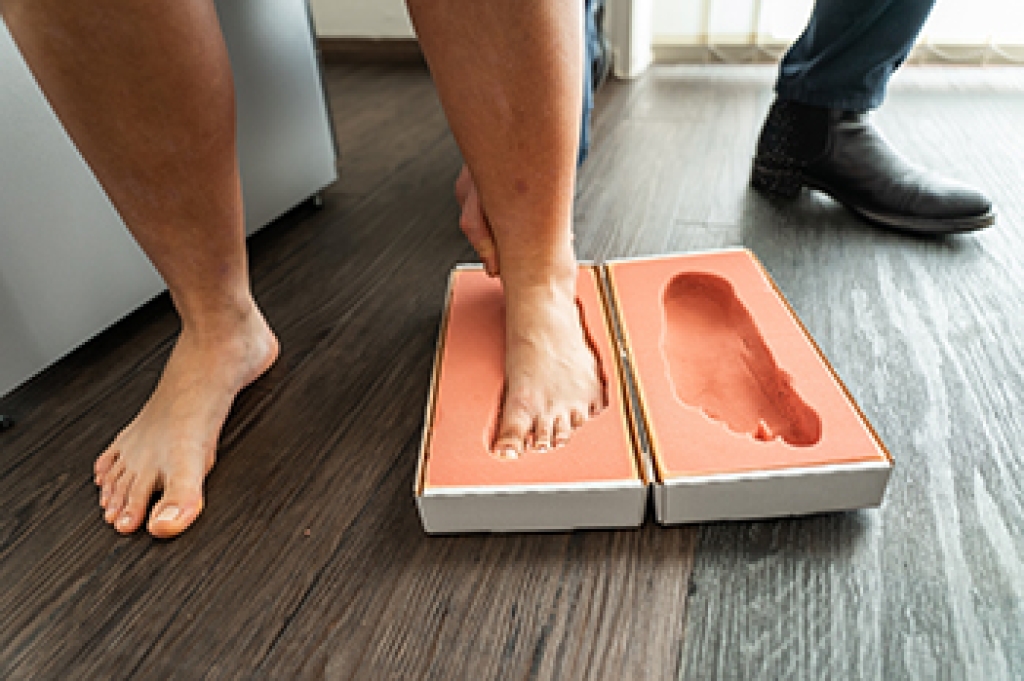
Orthotics are shoe inserts designed to support the feet and improve how pressure moves through them. They may be prescribed or purchased over the counter, depending on your needs. Orthotics can provide arch support, cushioning, and improved foot alignment. They are often used when foot structure or movement contributes to discomfort. This approach can make walking more comfortable while reducing unnecessary stress on sensitive areas.
Common symptoms that may benefit from orthotic support include arch pain, heel pain, and tired feet. Some people notice discomfort while walking, standing, or exercising. Risk factors include flat feet, high arches, and unsupportive footwear. Other causes of foot strain may include abnormal gait mechanics, previous injuries, or prolonged standing. A podiatrist can determine whether orthotics are appropriate for your specific condition.
Types of orthotics include custom orthotics and prefabricated inserts. Custom orthotics are designed from measurements or scans of your feet and can address biomechanical needs specific to you. Prefabricated options provide general support and may work well for certain mild problems. A podiatrist begins by reviewing your symptoms and medical history. The feet are examined for alignment, pressure points, and range of motion. Your walking pattern may also be evaluated before an orthotic recommendation is made.
Treatment with orthotics usually begins with selecting the correct device for your foot structure and daily activities. Your podiatrist may recommend gradual wear so your feet can adjust comfortably. Follow-up visits can help assess comfort levels and determine whether adjustments are needed. Wearing proper footwear is also important because shoes should provide enough room and stability for the insert. Orthotics do not simply add cushioning, they can help manage pressure and support healthier movement. If you have persistent arch discomfort or need better foot support, it is suggested that you consult a podiatrist who can determine what type of orthotics are right for you.
If you are having discomfort in your feet and would like to try orthotics, contact one of our podiatrists from Foot and Ankle Reconstruction of Georgia. Our doctors can provide the care you need to keep you pain-free and on your feet.
What Are Orthotics?
Orthotics are inserts you can place into your shoes to help with a variety of foot problems such as flat feet or foot pain. Orthotics provide relief and comfort for minor foot and heel pain but can’t correct serious biomechanical problems in your feet.
Over-the-Counter Inserts
Orthotics come in a wide variety of over-the-counter inserts that are used to treat foot pain, heel pain, and minor problems. For example, arch supports can be inserted into your shoes to help correct overarched or flat feet, while gel insoles are often used because they provide comfort and relief from foot and heel pain by alleviating pressure.
Prescription Orthotics
If over-the-counter inserts don’t work for you or if you have a more severe foot concern, it is possible to have your podiatrist prescribe custom orthotics. These high-quality inserts are designed to treat problems such as abnormal motion, plantar fasciitis, and severe forms of heel pain. They can even be used to help patients suffering from diabetes by treating foot ulcers and painful calluses and are usually molded to your feet individually, which allows them to provide full support and comfort.
If you are experiencing minor to severe foot or heel pain, it’s recommended to speak with your podiatrist about the possibilities of using orthotics. A podiatrist can determine which type of orthotic is right for you and allow you to take the first steps towards being pain-free.
If you have any questions, please feel free to contact our offices located in Woodstock, Jasper, and Marietta, GA . We offer the newest diagnostic and treatment technologies for all your foot care needs.
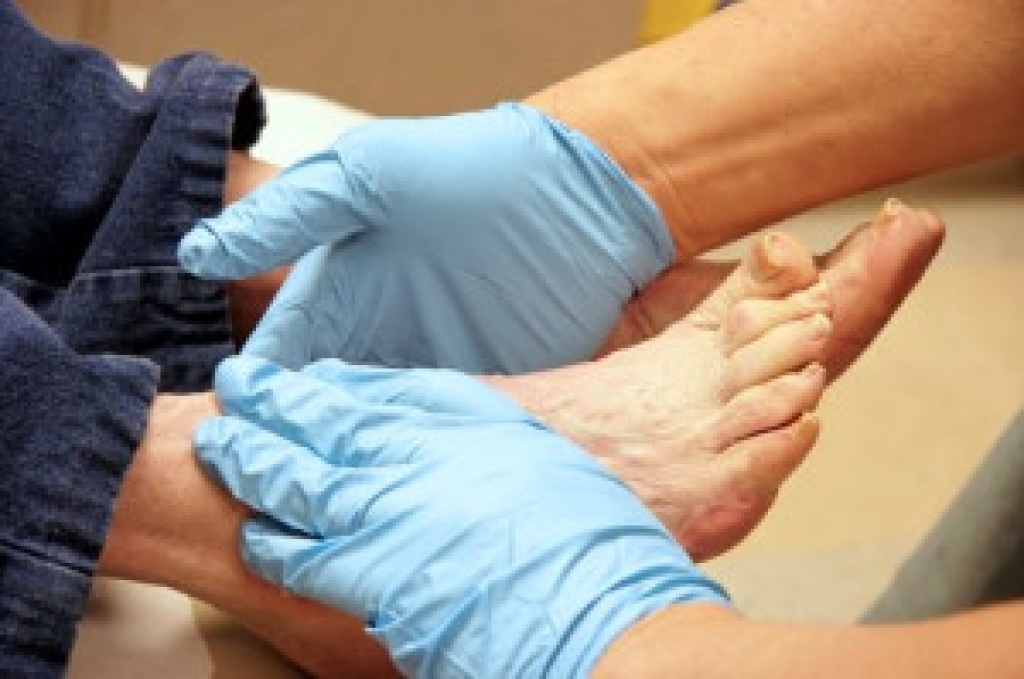
Diabetes can affect the feet by damaging nerves and reducing blood flow. Nerve damage, called peripheral neuropathy, can cause numbness, tingling, or burning pain. A patient may not feel a blister, cut, or area of pressure. Reduced circulation can also slow the healing of even a small wound. Together, these problems raise the risk of skin breakdown, infection, and serious ulcers. An ulcer is an open sore that does not heal normally, and without prompt care, an infection can spread and increase the risk of limb loss.
Diabetes can also change the shape and structure of the foot. Weak foot muscles may contribute to hammertoes or other toe deformities. These changes create pressure points that can lead to calluses and sores. Another serious complication occurs when nerve damage allows weakened bones and joints to become injured. Early signs include redness, warmth, and swelling. Pain may be mild or absent because sensation is reduced. The foot can lose its normal shape, making skin damage more likely. Any new swelling, drainage, or darkened skin requires prompt attention, especially when the patient has little feeling in the feet.
A podiatrist can identify risks before they become serious. The examination includes checking circulation, skin condition, and sensation. The podiatrist can also trim thick nails and reduce calluses safely. Ulcer care includes cleaning the wound, removing damaged tissue, and applying protective dressings. Custom orthotics, special shoes, or braces can reduce pressure on vulnerable areas. A podiatrist can monitor healing and treat infection. Severe deformity or an infection that threatens the foot may require surgery. Regular exams with a podiatrist are important for patients with numbness, poor circulation, or a past ulcer. Early treatment can protect mobility and lower the risk of lasting damage. If you have foot problems related to diabetes, it is suggested that you be under the care of a podiatrist who can help you to manage this serious condition.
Diabetic foot care is important in preventing foot ailments such as ulcers. If you are suffering from diabetes or have any other concerns about your feet, contact one of our podiatrists from Foot and Ankle Reconstruction of Georgia. Our doctors can provide the care you need to keep you pain-free and on your feet.
Diabetic Foot Care
Diabetes affects millions of people every year. The condition can damage blood vessels in many parts of the body, especially the feet. Because of this, taking care of your feet is essential if you have diabetes, and having a podiatrist help monitor your foot health is highly recommended.
The Importance of Caring for Your Feet
Patients with diabetes should have their doctor monitor their blood levels, as blood sugar levels play such a huge role in diabetic care. Monitoring these levels on a regular basis is highly advised.
It is always best to inform your healthcare professional of any concerns you may have regarding your feet, especially for diabetic patients. Early treatment and routine foot examinations are keys to maintaining proper health, especially because severe complications can arise if proper treatment is not applied.
If you have any questions, please feel free to contact our offices located in Woodstock, Jasper, and Marietta, GA . We offer the newest diagnostic and treatment technologies for all your foot care needs.
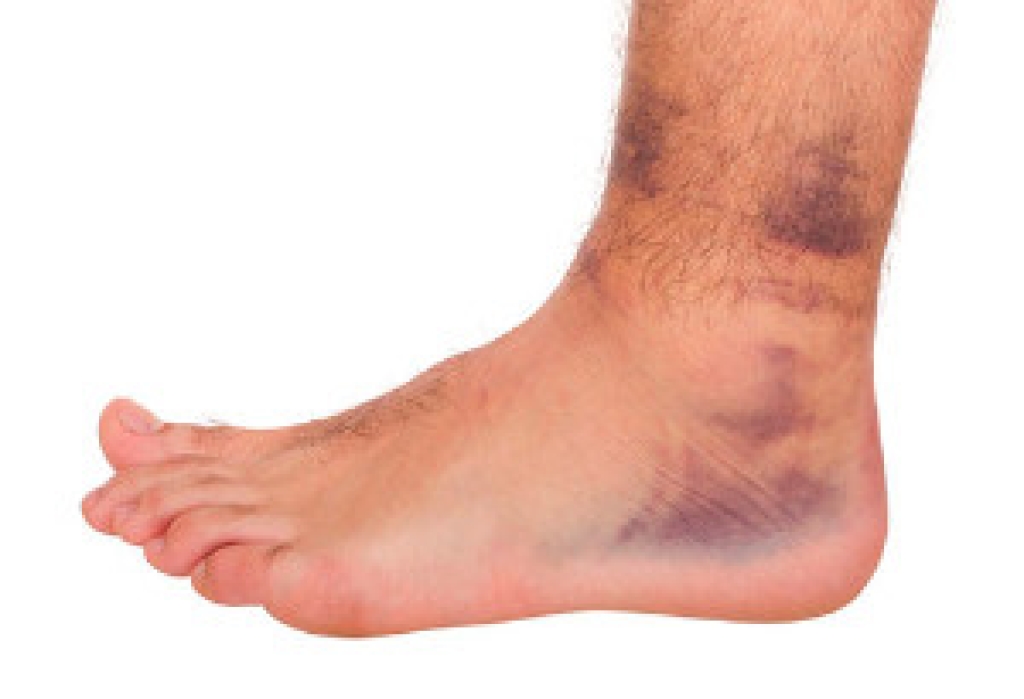
An injury that causes pain, swelling, and difficulty moving may be an ankle sprain or a fracture. A sprain occurs when the ligaments are stretched or torn. These strong bands of tissue connect bones and help keep the ankle stable. A fracture is a crack or break in an ankle bone. Either injury can result from a fall, sudden twist, or hard impact. Since an accident can damage both bones and ligaments, symptoms alone may not identify the injury.
Sprains and fractures can both cause pain, bruising, and swelling. Pain from a sprain is usually centered in the softer tissue around the joint, while fracture pain can be strongest directly over a bone. A cracking sound, unusual angle, or exposed bone can indicate a fracture. Some patients with a sprain can put weight on the ankle, but walking can be painful. A fracture can make standing or walking impossible. However, the ability to move the ankle or bear weight does not rule out a broken bone. Because these signs can overlap, a professional examination is important. An injury that is not treated correctly can lead to lasting pain, weakness, or ankle instability.
A podiatrist asks how the injury happened, examines the painful area, and checks the ankle’s movement. X-rays can show most fractures and reveal whether the bones remain properly aligned. Other imaging tests may be needed to diagnose a sprain and determine the extent of ligament damage. Treatment depends on the location and severity of the injury. A podiatrist can stabilize the ankle with a brace, splint, or cast. Severe fractures can require surgery to restore the position of the bones. A major ligament tear can also require surgery when the ankle remains unstable. Follow-up visits allow the podiatrist to monitor healing and adjust the treatment plan. If you have injured your ankle, it is suggested that you schedule an appointment with a podiatrist for a diagnosis and appropriate treatment.
Ankle pain can be caused by a number of problems and may be potentially serious. If you have ankle pain, consult with one of our podiatrists from Foot and Ankle Reconstruction of Georgia. Our doctors will assess your condition and provide you with quality foot and ankle treatment.
Ankle pain is any condition that causes pain in the ankle. Due to the fact that the ankle consists of tendons, muscles, bones, and ligaments, ankle pain can come from a number of different conditions.
Causes
The most common causes of ankle pain include:
Symptoms
Symptoms of ankle injury vary based upon the condition. Pain may include general pain and discomfort, swelling, aching, redness, bruising, burning or stabbing sensations, and/or loss of sensation.
Diagnosis
Due to the wide variety of potential causes of ankle pain, podiatrists will utilize a number of different methods to properly diagnose ankle pain. This can include asking for personal and family medical histories and of any recent injuries. Further diagnosis may include sensation tests, a physical examination, and potentially x-rays or other imaging tests.
Treatment
Just as the range of causes varies widely, so do treatments. Some more common treatments are rest, ice packs, keeping pressure off the foot, orthotics and braces, medication for inflammation and pain, and surgery.
If you have any questions please feel free to contact our offices located in Woodstock, Jasper, and Marietta, GA . We offer the newest diagnostic tools and technology to treat your foot and ankle needs.
