Like us on Facebook
Follow us on Twitter
Follow us on Instagram
review us on Google

When to See a Podiatrist for Achilles Tendon Pain

Achilles tendinopathy is a common cause of pain near the back of the ankle and heel. The Achilles tendon is a strong band of tissue connecting the calf muscles to the heel bone. It plays an important role in walking, running, and pushing the foot off the ground. Achilles tendinopathy develops when the tendon becomes irritated or changes from repeated stress. Pain may occur where the tendon attaches to the heel or farther up the tendon. Common symptoms include aching, stiffness, and tenderness. The tendon may also become swollen or thickened as the condition progresses.


Achilles tendon pain often develops gradually rather than after a single injury. Repeated strain from running, jumping, or other demanding activities can place added stress on the tendon. Limited ankle movement and certain foot mechanics may also contribute. Pain may become more noticeable during activity or when pressure is placed on the affected area. As symptoms worsen, walking and other movements may become uncomfortable. Achilles tendinopathy differs from an Achilles tendon rupture, which involves a partial or complete tear. Sudden severe pain, weakness, or difficulty walking should receive prompt professional evaluation to determine whether a serious tendon injury has occurred.


A podiatrist can evaluate Achilles tendon pain and determine which factors may be contributing to the condition. An examination may include checking the tendon for tenderness or swelling and assessing foot and ankle movement. Imaging may be recommended when more information is needed. Treatment depends on the location and severity of the Achilles tendon problem. A podiatrist can develop an individualized treatment plan focused on reducing tendon stress, improving foot and ankle function, and supporting recovery. Professional care can also help address movement problems that may contribute to continued discomfort. If persistent Achilles pain, stiffness, or swelling is affecting your ability to walk comfortably, it is suggested that you consult a podiatrist for an evaluation and appropriate treatment options.

Achilles tendon injuries need immediate attention to avoid future complications. If you have any concerns, contact one of our podiatrists of Foot and Ankle Reconstruction of Georgia. Our doctors can provide the care you need to keep you pain-free and on your feet.

What Is the Achilles Tendon?

The Achilles tendon is a tendon that connects the lower leg muscles and calf to the heel of the foot. It is the strongest tendon in the human body and is essential for making movement possible. Because this tendon is such an integral part of the body, any injuries to it can create immense difficulties and should immediately be presented to a doctor.

What Are the Symptoms of an Achilles Tendon Injury?

There are various types of injuries that can affect the Achilles tendon. The two most common injuries are Achilles tendinitis and ruptures of the tendon.

Achilles Tendinitis Symptoms

  • Inflammation
  • Dull to severe pain
  • Increased blood flow to the tendon
  • Thickening of the tendon

Rupture Symptoms

  • Extreme pain and swelling in the foot
  • Total immobility

Treatment and Prevention

Achilles tendon injuries are diagnosed by a thorough physical evaluation, which can include an MRI. Treatment involves rest, physical therapy, and in some cases, surgery. However, various preventative measures can be taken to avoid these injuries, such as:

  • Thorough stretching of the tendon before and after exercise
  • Strengthening exercises like calf raises, squats, leg curls, leg extensions, leg raises, lunges, and leg presses

If you have any questions please feel free to contact our offices located in Woodstock, Jasper, and Marietta, GA . We offer the newest diagnostic tools and technology to treat your foot and ankle needs.

Read more about Achilles Tendon Injuries

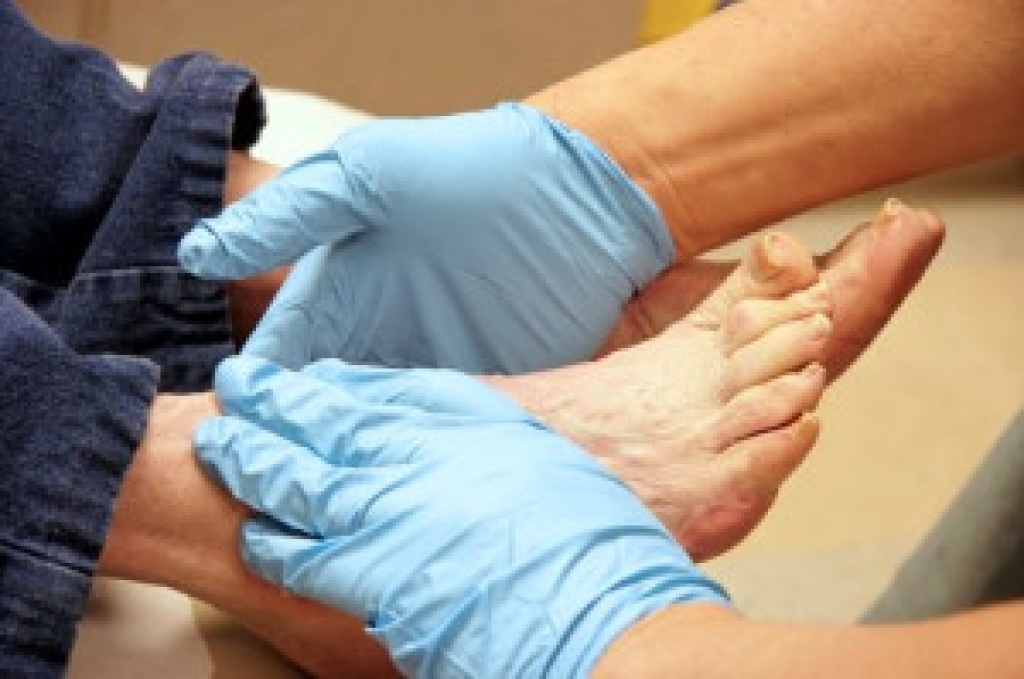
Diabetic Foot Pain and Its Impact on Daily Life

Diabetic foot pain is a common complication of diabetes that affects the nerves, blood flow, and overall structure of the feet. It develops when high blood sugar levels begin to damage the nerves and blood vessels that support healthy foot function. This condition is often linked to diabetic neuropathy, where nerve damage leads to reduced sensation and abnormal pain signals. Poor circulation also plays a major role, as it limits the delivery of oxygen and nutrients needed to keep tissues healthy and resilient.

Symptoms of diabetic foot pain vary from mild discomfort to severe and persistent pain that interferes with daily activities. Many individuals experience numbness, tingling, or a burning sensation in the feet. Others may notice stiff joints, reduced flexibility, or sharp pains that occur even while resting. Loss of sensation can make it difficult to detect injuries, which increases the risk of infections, ulcers, and long-term complications. Swelling, dry skin, and slow-healing wounds are also common signs that should not be ignored.


Several underlying causes contribute to diabetic foot pain. High blood sugar levels damage nerves over time, leading to neuropathy and altered pain perception. Poor circulation reduces blood flow to the lower extremities, which can result in tissue breakdown and delayed healing. These combined effects create an environment where even minor foot problems can become serious, if left untreated. Risk factors include long-standing diabetes and poor blood sugar control. Smoking, obesity, and lack of regular foot care are other factors.


Managing diabetic foot pain requires a comprehensive approach that focuses on controlling blood sugar levels and protecting foot health. Wearing supportive footwear, proper hygiene, and regular foot inspections can help reduce complications. A podiatrist can provide advanced care, including custom orthotics, wound management, and guidance on preventing further damage. If you are experiencing foot pain from diabetes, it is strongly suggested that you are under the care of a podiatrist who can help you to manage this serious condition. 

Foot Pain

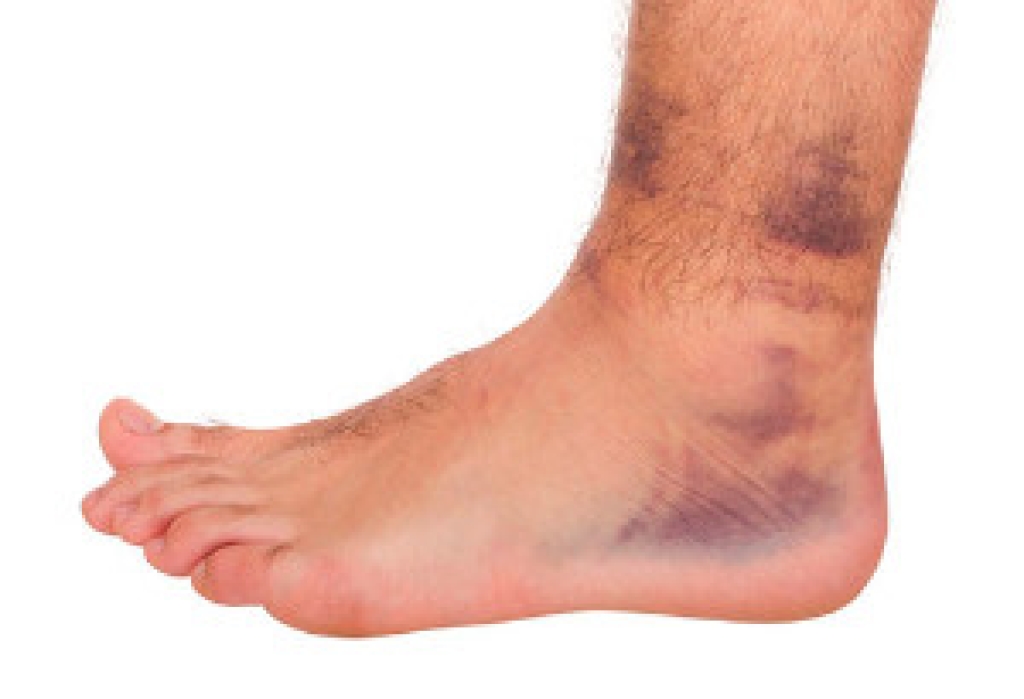
Foot pain can be extremely painful and debilitating. If you have a foot pain, consult with one of our podiatrists from Foot and Ankle Reconstruction of Georgia. Our doctors will assess your condition and provide you with quality foot and ankle treatment.

Causes

Foot pain is a very broad condition that could be caused by one or more ailments. The most common include:

  • Bunions
  • Hammertoes
  • Plantar Fasciitis
  • Bone Spurs
  • Corns
  • Tarsal Tunnel Syndrome
  • Ingrown Toenails
  • Arthritis (such as Gout, Rheumatoid, and Osteoarthritis)
  • Flat Feet
  • Injury (from stress fractures, broken toe, foot, ankle, Achilles tendon ruptures, and sprains)
  • And more

Diagnosis

To figure out the cause of foot pain, podiatrists utilize several different methods. This can range from simple visual inspections and sensation tests to X-rays and MRI scans. Prior medical history, family medical history, and any recent physical traumatic events will all be taken into consideration for a proper diagnosis.

Treatment

Treatment depends upon the cause of the foot pain. Whether it is resting, staying off the foot, or having surgery; podiatrists have a number of treatment options available for foot pain.

If you have any questions, please feel free to contact our offices located in Woodstock, Jasper, and Marietta, GA . We offer the newest diagnostic and treatment technologies for all your foot care needs.
Read more about Foot Pain

Understanding Joint Pain and Foot Surgery

Joint pain in the foot or ankle can make movement difficult. Pain can develop when a joint becomes damaged from arthritis, an injury, a fracture, or another condition. Arthritis can wear down the tissue that helps bones move together. As this damage progresses, pain and stiffness can make it harder to walk, stand, or stay active. A podiatrist can examine the painful area, review your symptoms, and use imaging tests to determine what is affecting the joint. The goal is to identify the cause of pain and determine which treatment is appropriate.

When joint damage is severe, surgery may be considered. Joint replacement surgery removes damaged portions of a joint and replaces them with an artificial joint designed to restore movement. Joint replacement can improve pain, mobility, and quality of life. It also found that patient satisfaction can be affected by factors like pain control, mobility, and the cost of care. Because surgery is a major decision, a podiatrist can explain whether surgery is appropriate for a foot or ankle joint problem, and discuss what the procedure and recovery could involve. Your podiatrist can also monitor your condition and help coordinate the next steps when surgery is being considered.

Recovery after joint surgery is an important part of treatment. Early movement after surgery can help reduce complications and support a return to walking. Your podiatrist can provide follow-up care, monitor healing, and assess pain and movement. This foot doctor can any address concerns during recovery. Every patient has different needs, so the expected results and recovery process can vary. A careful evaluation can help you understand your options before deciding whether surgery is the right choice. If you have joint pain, it is suggested that you schedule an appointment with a podiatrist who can discuss the benefits of this type of foot surgery with you.

In certain cases, in which the patient suffers from extreme pain or damage in a joint, joint replacement surgery may be deemed useful. If you have constant pain in a foot joint, consult with one of our podiatrists from Foot and Ankle Reconstruction of Georgia. Our doctors will assess your condition and provide you with quality foot and ankle treatment.

What Is Joint Replacement Surgery?

Over time, joints wear down; this can be exacerbated by diseases and conditions. Joint replacement surgery, also known as arthroplasty, is when a damaged joint is surgically removed and replaced with a prosthesis. Prostheses, which can be made of ceramic, plastic, or metal, act as joints in lieu of an actual joint. One of the most prevalent causes for joint replacement is arthritis.

Arthritis in the Foot

Arthritis can occur in any joint in the body, including in the feet. Common types of arthritis in the foot are osteoarthritis, rheumatoid arthritis, and gout. The big toe is usually where arthritis occurs in the foot; this is known as hallux rigidus.

Joint Replacement Surgery in the Foot

The most common form of joint replacement in the foot is a first metatarsophalangeal (MTP) joint placement. MTP joint replacement surgery is designed to treat hallux rigidus. Surgery is not intensive, and recovery occurs within one to two months after the procedure has been done. Overall, joint replacement surgery is a safe and effective way to treat pain in the joint of the foot.

If you have any questions, please feel free to contact our offices located in Woodstock, Jasper, and Marietta, GA . We offer the newest diagnostic and treatment technologies for all your foot care needs.
Read more about Joint Replacement Surgery

How a Podiatrist Can Help Treat Morton's Neuroma

Morton's neuroma affects the tissue surrounding a nerve, most often between the third and fourth toes. Although it is called a neuroma, it is not a tumor. Instead, the tissue around the nerve becomes thickened, placing pressure on the nerve and causing discomfort. Many people describe the sensation as burning, tingling, or numbness in the front of the foot. Others feel as though they are standing on a small pebble or a fold in their sock. Symptoms may become worse while walking or during other weight-bearing activities. Because several foot conditions can produce similar symptoms, a professional evaluation is important to identify the underlying cause and recommend the most appropriate treatment.


Repeated pressure on the forefoot is believed to play a role in the development of Morton's neuroma. Factors such as foot structure, repetitive activities, or irritation of the nerve may contribute to the condition. As the affected tissue becomes thicker, pressure on the nerve can increase and symptoms may become more frequent. Ongoing discomfort may also change the way a person walks, placing additional stress on other areas of the foot. A thorough podiatry evaluation helps determine the location of the nerve irritation and rule out other causes of forefoot pain. Early diagnosis can improve treatment planning and help reduce the risk of worsening symptoms.


A podiatrist specializes in diagnosing and treating Morton's neuroma by evaluating foot structure, walking mechanics, and nerve function. Professional treatment is tailored to each patient's condition and focuses on relieving pressure on the affected nerve while improving overall foot function. Regular follow-up visits allow progress to be monitored and treatment to be adjusted when necessary. Early podiatry care may also help reduce pain and support a more comfortable return to daily activities. If burning pain, tingling, or numbness in your forefoot is affecting your mobility, it is suggested that you consult a podiatrist for an evaluation and appropriate treatment options.

Morton’s neuroma is a very uncomfortable condition to live with. If you think you have Morton’s neuroma, contact one of our podiatrists of Foot and Ankle Reconstruction of Georgia. Our doctors will attend to all of your foot care needs and answer any of your related questions.  

Morton’s Neuroma

Morton's neuroma is a painful foot condition that commonly affects the areas between the second and third or third and fourth toe, although other areas of the foot are also susceptible. Morton’s neuroma is caused by an inflamed nerve in the foot that is being squeezed and aggravated by surrounding bones.

What Increases the Chances of Having Morton’s Neuroma?

  • Ill-fitting high heels or shoes that add pressure to the toe or foot
  • Jogging, running or any sport that involves constant impact to the foot
  • Flat feet, bunions, and any other foot deformities

Morton’s neuroma is a very treatable condition. Orthotics and shoe inserts can often be used to alleviate the pain on the forefront of the feet. In more severe cases, corticosteroids can also be prescribed. In order to figure out the best treatment for your neuroma, it’s recommended to seek the care of a podiatrist who can diagnose your condition and provide different treatment options.

If you have any questions, please feel free to contact our offices located in Woodstock, Jasper, and Marietta, GA . We offer the newest diagnostic and treatment technologies for all your foot care needs.
Read more about What is Morton's Neuroma?

Get Proper Treatment for Ankle Injuries

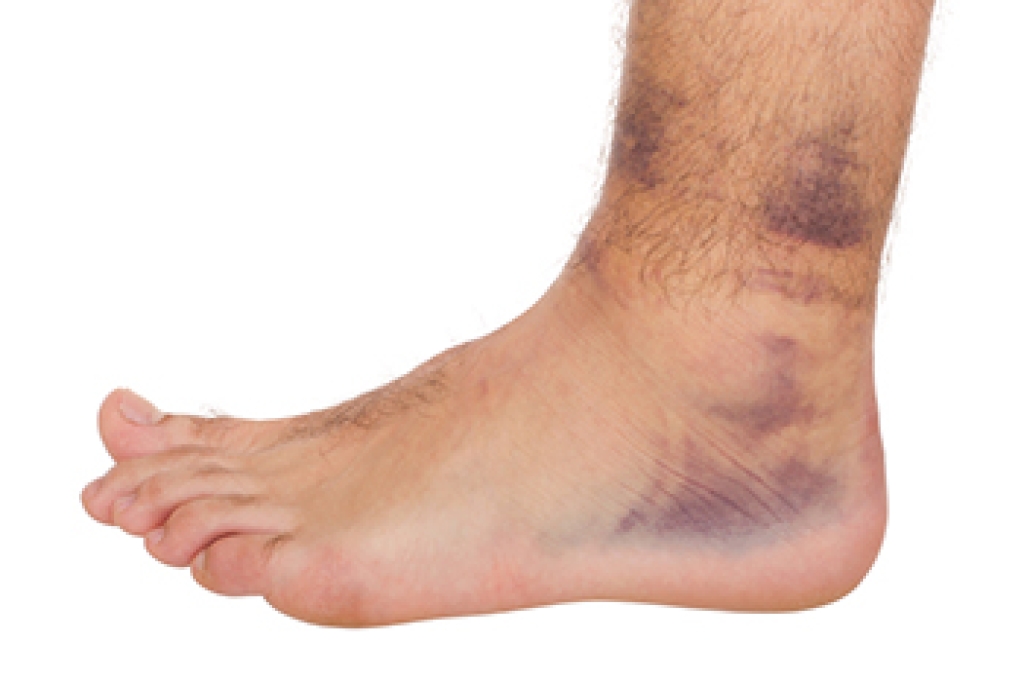
If you're experiencing ankle pain, you may be suffering from an ankle injury. Sprains, fractures, Achilles tendonitis, and Achilles tendon ruptures are just some examples of potential ankle injuries. Don't wait for care for an ankle injury, as it may worsen over time. We can help!

scroll to top