Like us on Facebook
Follow us on Twitter
Follow us on Instagram
review us on Google

Why Some Diabetic Foot Ulcers Refuse to Heal

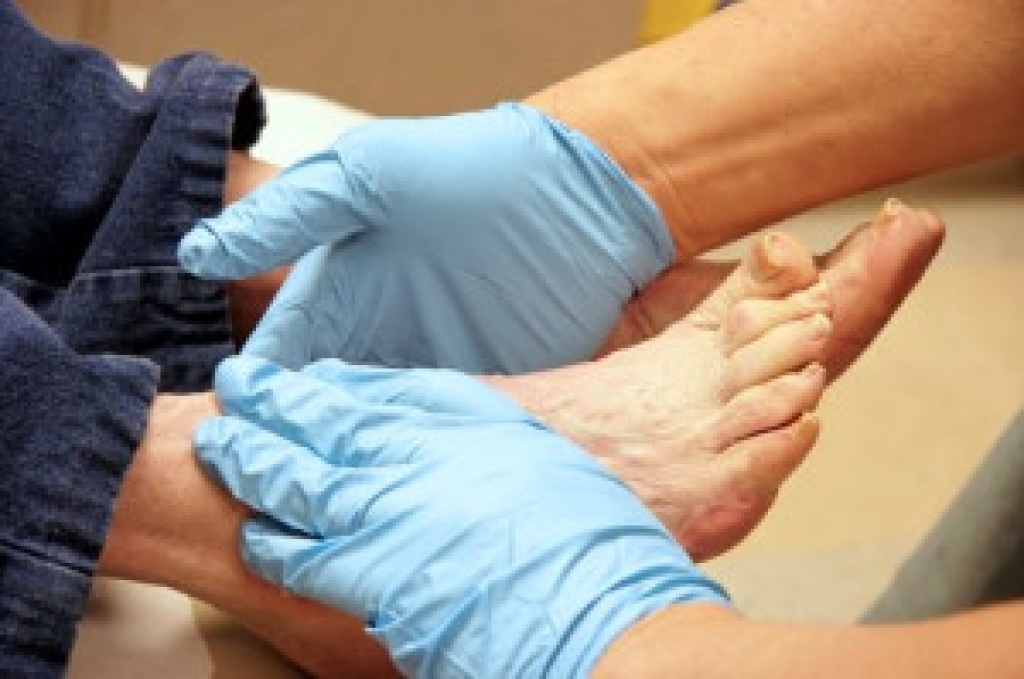
Diabetic foot ulcers can be frustrating because they often linger, even with careful treatment. High blood sugar slows healing by damaging blood vessels and reducing oxygen flow to the skin. Nerve damage can also play a role, since patients may not feel pressure or injury, allowing wounds to worsen unnoticed. Infection is another common factor that keeps ulcers from closing. Poor circulation in the lower legs and feet further limits the body’s ability to repair tissue. Inconsistent offloading, such as walking on the wound, can delay progress as well. Effective care usually requires a combination of wound cleaning, pressure relief, blood sugar control, and sometimes advanced therapies. Regular monitoring is important to catch changes early. If a foot ulcer is not improving or keeps returning, it is strongly suggested that you see a podiatrist for a proper diagnosis and timely treatment.

Wound care is an important part in dealing with diabetes. If you have diabetes and a foot wound or would like more information about wound care for diabetics, consult with one of our podiatrists from Foot and Ankle Reconstruction of Georgia. Our doctors will assess your condition and provide you with quality foot and ankle treatment.

What Is Wound Care?

Wound care is the practice of taking proper care of a wound. This can range from the smallest to the largest of wounds. While everyone can benefit from proper wound care, it is much more important for diabetics. Diabetics often suffer from poor blood circulation which causes wounds to heal much slower than they would in a non-diabetic. 

What Is the Importance of Wound Care?

While it may not seem apparent with small ulcers on the foot, for diabetics, any size ulcer can become infected. Diabetics often also suffer from neuropathy, or nerve loss. This means they might not even feel when they have an ulcer on their foot. If the wound becomes severely infected, amputation may be necessary. Therefore, it is of the upmost importance to properly care for any and all foot wounds.

How to Care for Wounds

The best way to care for foot wounds is to prevent them. For diabetics, this means daily inspections of the feet for any signs of abnormalities or ulcers. It is also recommended to see a podiatrist several times a year for a foot inspection. If you do have an ulcer, run the wound under water to clear dirt from the wound; then apply antibiotic ointment to the wound and cover with a bandage. Bandages should be changed daily and keeping pressure off the wound is smart. It is advised to see a podiatrist, who can keep an eye on it.

If you have any questions please contact our offices located in Woodstock, Jasper, and Marietta, GA . We offer the newest diagnostic and treatment technologies for all your foot and ankle needs.

Read more about Wound Care

Athlete’s Foot Trouble That Will Not Go Away

Tinea pedis is the medical term for athlete’s foot, a fungal infection that affects the skin on the feet. The condition develops when fungi grow in warm, damp places such as sweaty shoes or locker rooms. It often begins between the toes, but can spread to the soles and sides of the feet. People may notice itching, burning, peeling skin, redness, or small cracks that sting while walking. The infection spreads easily through shared floors, towels, and footwear. Keeping feet clean and dry, changing socks daily, and wearing breathable shoes can help lower the risk. Some mild cases improve with antifungal creams, but the infection can return if it is not fully treated. A podiatrist can confirm the condition and recommend stronger treatment, when needed. If athlete’s foot symptoms do not improve or continue to spread, it is suggested that you see a podiatrist for a proper diagnosis and appropriate treatment.

Athlete’s foot is an inconvenient condition that can be easily reduced with the proper treatment. If you have any concerns about your feet and ankles, contact one of our podiatrists from Foot and Ankle Reconstruction of Georgia.  Our doctors will treat your foot and ankle needs.

Athlete’s Foot: The Sole Story

Athlete's foot, also known as tinea pedis, can be an extremely contagious foot infection. It is commonly contracted in public changing areas and bathrooms, dormitory style living quarters, around locker rooms and public swimming pools, or anywhere your feet often come into contact with other people.

Solutions to Combat Athlete’s Foot

  • Hydrate your feet by using lotion
  • Exfoliate
  • Buff off nails
  • Use of anti-fungal products
  • Examine your feet and visit your doctor if any suspicious blisters or cuts develop

Athlete’s foot can cause many irritating symptoms such as dry and flaking skin, itching, and redness. Some more severe symptoms can include bleeding and cracked skin, intense itching and burning, and even pain when walking. In the worst cases, Athlete’s foot can cause blistering as well. Speak to your podiatrist for a better understanding of the different causes of Athlete’s foot, as well as help in determining which treatment options are best for you.

If you have any questions please feel free to contact our offices located in Woodstock, Jasper, and Marietta, GA . We offer the newest diagnostic and treatment technologies for all your foot and ankle needs.

Read more about Athlete's Foot

Heel Pain That Keeps You From Staying Active

Persistent plantar fasciitis can make it difficult to stay active and enjoy everyday movement. The plantar fascia is a thick band of tissue that runs along the bottom of the foot and supports the arch. When this tissue becomes irritated or strained, it often causes sharp heel pain, especially during the first steps in the morning or after long periods of sitting. Many people try to push through the discomfort, but ongoing strain can worsen the condition. Walking, exercising, or even standing for long periods may become uncomfortable. Over time, reduced activity can affect overall health and limit participation in favorite hobbies such as walking, fitness classes, or recreational sports. Wearing supportive footwear, gentle stretching, and rest may help reduce irritation in the early stages. When heel pain is persistent and continues or interferes with daily activity, it is suggested that you see a podiatrist for a proper diagnosis and appropriate treatment.

Plantar fasciitis can be very painful and inconvenient. If you are experiencing heel pain or symptoms of plantar fasciitis, contact one of our podiatrists  from Foot and Ankle Reconstruction of Georgia. Our doctors can provide the care you need to keep you pain-free and on your feet.

What Is Plantar Fasciitis?

Plantar fasciitis is the inflammation of the thick band of tissue that runs along the bottom of your foot, known as the plantar fascia, and causes mild to severe heel pain.

What Causes Plantar Fasciitis?

  • Excessive running
  • Non-supportive shoes
  • Overpronation
  • Repeated stretching and tearing of the plantar fascia

How Can It Be Treated?

  • Conservative measures – anti-inflammatories, ice packs, stretching exercises, physical therapy, orthotic devices
  • Shockwave therapy – sound waves are sent to the affected area to facilitate healing and are usually used for chronic cases of plantar fasciitis
  • Surgery – usually only used as a last resort when all else fails. The plantar fascia can be surgically detached from the heel

While very treatable, plantar fasciitis is definitely not something that should be ignored. Especially in severe cases, speaking to your doctor right away is highly recommended to avoid complications and severe heel pain. Your podiatrist can work with you to provide the appropriate treatment options tailored to your condition.

If you have any questions, please feel free to contact our offices located in Woodstock, Jasper, and Marietta, GA . We offer the newest diagnostic and treatment technologies for all your foot care needs.
Read more about Plantar Fasciitis

Do Your Child's Feet Hurt?

Have your child's feet been examined lately? Healthy feet are happy feet. If your child is complaining of foot pain, it may be a sign of underlying problems.

Understanding Pinky Toe Pain

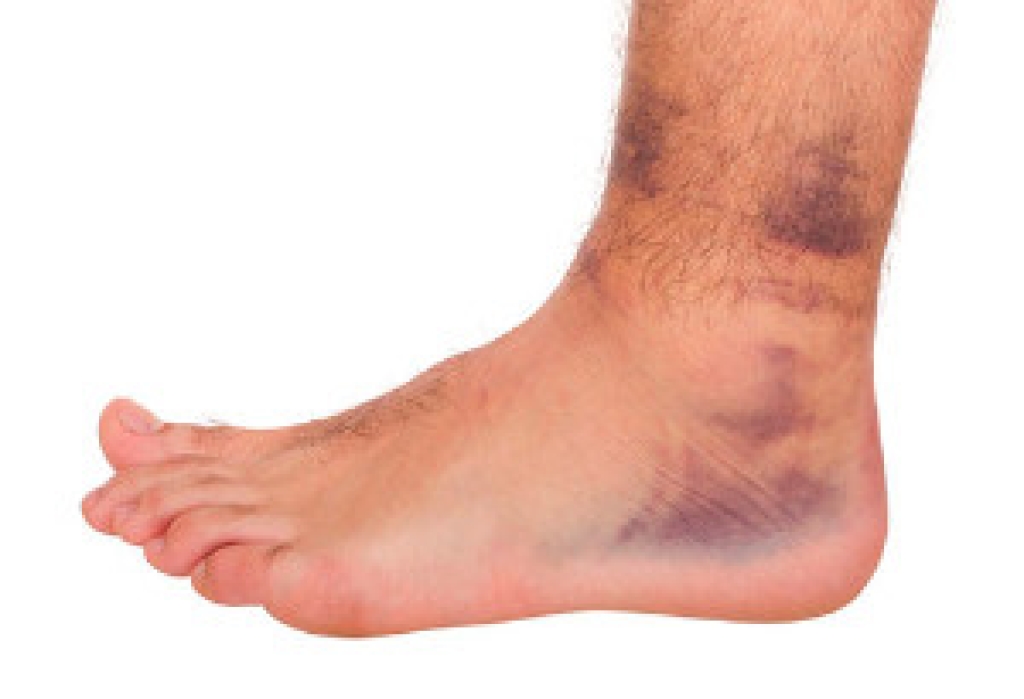
Pinky toe pain can interfere with walking, balance, and daily activities, often resulting from injuries or repetitive stress. Common causes include a broken toe from direct trauma, a stress fracture from overuse, or a dislocated toe from sudden impact or awkward movement. Symptoms include swelling, bruising, tenderness, and difficulty putting weight on the foot. Ignoring pain in the pinky toe can lead to long-term complications, including improper alignment or chronic discomfort. A podiatrist can evaluate the injury, perform imaging, if needed, and recommend splinting, protective footwear, or therapy to restore function. If you are experiencing pain, swelling, or difficulty in moving your pinky toe, it is suggested that you consult a podiatrist who can determine what the cause is, and offer effective relief and treatment solutions.

Toe pain can disrupt your daily activities. If you have any concerns, contact one of our podiatrists of Foot and Ankle Reconstruction of Georgia. Our doctors can provide the care you need to keep you pain-free and on your feet.

What Causes Toe Pain?

Most severe toe pain is caused due to a sports injury, trauma from dropping something heavy on the toe, or bumping into something rigid. Other problems can develop over time for various reasons.

Toe pain can be caused by one or more ailments. The most common include:

  • Trauma
  • Sports injury
  • Wearing shoes that are too tight
  • Arthritis
  • Gout
  • Corns and calluses
  • Hammertoe
  • Bunions
  • Blisters
  • Ingrown toenails
  • Sprains
  • Fractures (broken bones)
  • Dislocations

When to See a Podiatrist

  • Severe pain
  • Persistent pain that lasts more than a week
  • Signs of infection
  • Continued swelling
  • Pain that prevents walking

Diagnosis

In many cases the cause of toe pain is obvious, but in others, a podiatrist may want to use more advanced methods to determine the problem. These can range from simple visual inspections and sensation tests to X-rays and MRI scans. Prior medical history, family medical history, and any recent physical traumatic events will all be taken into consideration for a proper diagnosis.

Treatment

Treatments for toe pain and injuries vary and may include shoe inserts, padding, taping, medicines, injections, and in some cases, surgery. If you believe that you have broken a toe, please see a podiatrist as soon as possible.

If you have any questions please contact our offices located in Woodstock, Jasper, and Marietta, GA . We offer the newest diagnostic and treatment technologies for all your foot and ankle needs.

Read more about Toe Pain
scroll to top