
Like us on Facebook
Follow us on Twitter
Follow us on Instagram
review us on Google

Understanding Clubfoot in Children

Clubfoot is a condition present at birth where a baby’s foot is twisted out of its normal position, often pointing downward and inward. It can affect one or both feet and may appear smaller or tighter than usual. The exact cause is not always known, but it is linked to abnormal development of muscles, tendons, and bones in the foot before birth. Risk factors may include family history, certain genetic conditions, or limited space in the womb during pregnancy. Without treatment, walking may become difficult as the child grows and the foot remains stiff or misaligned. Early treatment is important, and often involves stretching, casting, bracing, or other corrective methods guided by a specialist. A podiatrist can help assess severity, monitor progress, and support long term foot function and alignment. If your child has been born with this condition, it is suggested that you include a podiatrist on your healthcare team for optimal support and corrective healing.

Congenital foot problems require immediate attention to avoid future complications. If you have any concerns, contact one of our podiatrists of Foot and Ankle Reconstruction of Georgia. Our doctors can provide the care you need to keep you pain-free and on your feet.

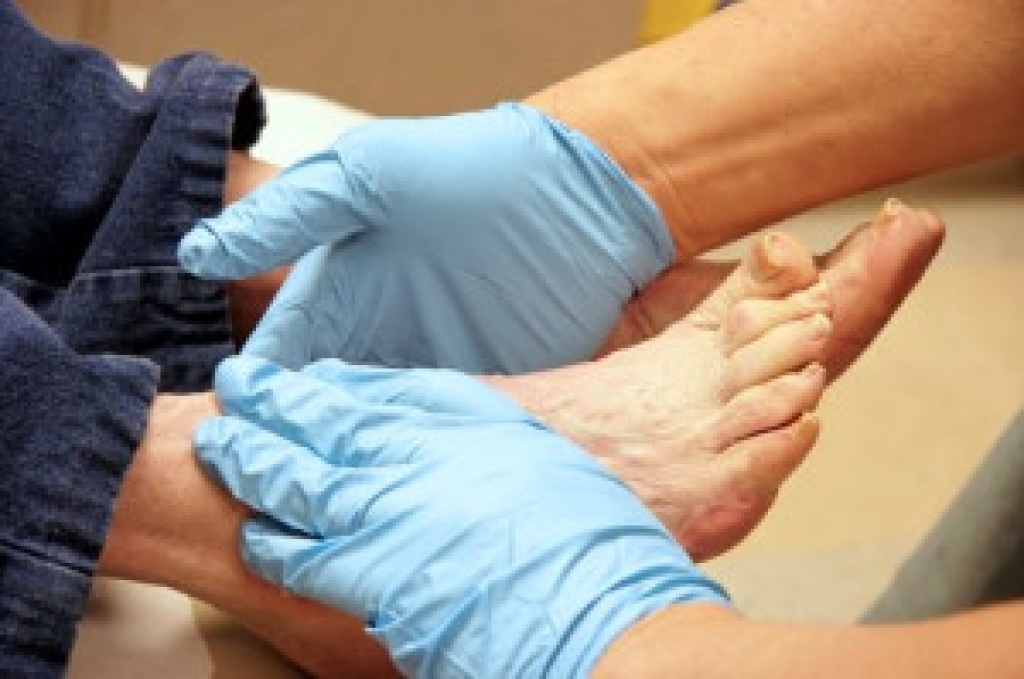
Congenital foot problems are deformities affecting the feet, toes, and/or ankles that children are born with. Some of these conditions have a genetic cause while others just happen. Some specific foot ailments that children may be born with include clubfeet, polydactyly/macrodactyly, and cleft foot. There are several other foot anomalies that can occur congenitally. What all of these conditions have in common is that a child may experience difficulty walking or performing everyday activities, as well as trouble finding footwear that fits their foot deformity. Some of these conditions are more serious than others. Consulting with a podiatrist as early as possible will help in properly diagnosing a child’s foot condition while getting the necessary treatment underway.

What are Causes of Congenital Foot Problem?

A congenital foot problem is one that happens to a child at birth. These conditions can be caused by a genetic predisposition, developmental or positional abnormalities during gestation, or with no known cause.

What are Symptoms of Congenital Foot Problems?

Symptoms vary by the congenital condition. Symptoms may consist of the following:

  • Clubfoot, where tendons are shortened, bones are shaped differently, and the Achilles tendon is tight, causing the foot to point in and down. It is also possible for the soles of the feet to face each other.
  • Polydactyly, which usually consists of a nubbin or small lump of tissue without a bone, a toe that is partially formed but has no joints, or an extra toe.
  • Vertical talus, where the talus bone forms in the wrong position causing other bones in the foot to line up improperly, the front of the foot to point up, and the bottom of the foot to stiffen, with no arch, and to curve out.
  • Tarsal coalition, when there is an abnormal connection of two or more bones in the foot leading to severe, rigid flatfoot.
  • Cleft foot, where there are missing toes, a V-shaped cleft, and other anatomical differences.
  • Macrodactyly, when the toes are abnormally large due to overgrowth of the underlying bone or soft tissue.

Treatment and Prevention

While there is nothing one can do to prevent congenital foot problems, raising awareness and receiving neonatal screenings are important. Early detection by taking your child to a podiatrist leads to the best outcome possible.

If you have any questions, please feel free to contact our offices located in Woodstock, Jasper, and Marietta, GA . We offer the newest diagnostic and treatment technologies for all your foot care needs.

Read more about Congenital Foot Problems

Heel Pain and Stress Fractures

A calcaneal stress fracture is a small crack in the heel bone that develops over time from repeated impact. It often appears as deep heel pain that worsens with activity and improves with rest, though it can become constant if ignored. Swelling and tenderness in the back or bottom of the heel may also be present. This condition is common in runners, athletes, and individuals who suddenly increase activity levels. It happens when the bone is unable to keep up with repeated stress and begins to weaken. A podiatrist can evaluate the heel through examination and imaging to confirm the diagnosis. Treatment focuses on protecting the bone, reducing strain, and guiding a safe return to activity. If you have heel pain, it is suggested that you consult a podiatrist who can diagnose and treat the problem. 

Stress fractures occur when there is a tiny crack within a bone. To learn more, contact one of our podiatrists from Foot and Ankle Reconstruction of Georgia. Our doctors can provide the care you need to keep you pain free and on your feet.

How Are They Caused?

Stress fractures are the result of repetitive force being placed on the bone. Since the lower leg and feet often carry most of the body’s weight, stress fractures are likely to occur in these areas. If you rush into a new exercise, you are more likely to develop a stress fracture since you are starting too much, too soon.  Pain resulting from stress fractures may go unnoticed at first, however it may start to worsen over time.

Risk Factors

  • Gender – They are more commonly found in women compared to men.
  • Foot Problems – People with unusual arches in their feet are more likely to develop stress fractures.
  • Certain Sports – Dancers, gymnasts, tennis players, runners, and basketball players are more likely to develop stress fractures.
  • Lack of Nutrients – A lack of vitamin D and calcium may weaken the bones and make you more prone to stress fractures
  • Weak Bones – Osteoporosis can weaken the bones therefore resulting in stress fractures

Stress fractures do not always heal properly, so it is important that you seek help from a podiatrist if you suspect you may have one. Ignoring your stress fracture may cause it to worsen, and you may develop chronic pain as well as additional fractures.

If you have any questions please contact our offices located in Woodstock, Jasper, and Marietta, GA . We offer the newest diagnostic and treatment technologies for all your foot and ankle needs.

Read more about Stress Fractures of the Foot and Ankle

How Diabetic Neuropathy Affects the Feet

Diabetic neuropathy is a type of nerve damage linked to diabetes that commonly affects the feet and lower legs. High blood sugar can damage nerves, causing numbness, tingling, burning pain, and sharp shooting sensations in the feet. Some people lose the ability to feel heat, cold, or injuries, which increases the risk of cuts, blisters, and foot ulcers going unnoticed. Changes in sensation can also affect balance and stability when walking, increasing the risk of falls. Because feeling in the feet becomes reduced, small wounds can develop into serious infections. A podiatrist can examine the feet, check for nerve damage, monitor circulation, and provide treatment to help prevent further complications. Early care is important for protecting foot health and lowering the risk of severe infections or long-term tissue damage. If you have symptoms of diabetic neuropathy, it is suggested that you schedule an appointment with a podiatrist for expert guidance in managing this condition.

Neuropathy

Neuropathy can be a potentially serious condition, especially if it is left undiagnosed. If you have any concerns that you may be experiencing nerve loss in your feet, consult with one of our podiatrists from Foot and Ankle Reconstruction of Georgia. Our doctors will assess your condition and provide you with quality foot and ankle treatment for neuropathy.

What Is Neuropathy?

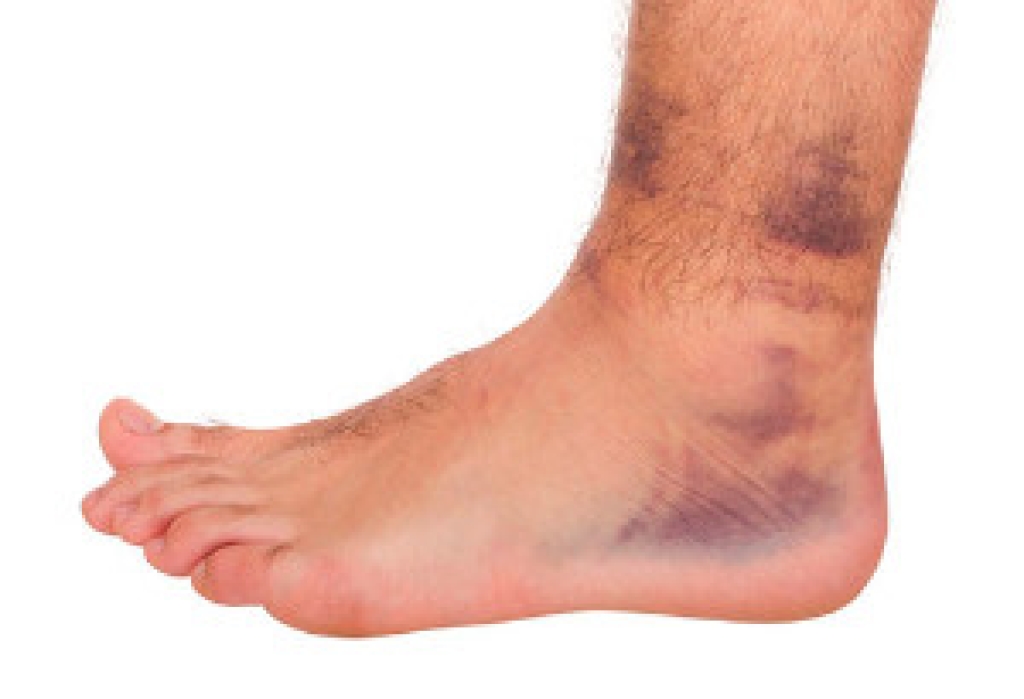
Neuropathy is a condition that leads to damage to the nerves in the body. Peripheral neuropathy, or neuropathy that affects your peripheral nervous system, usually occurs in the feet. Neuropathy can be triggered by a number of different causes. Such causes include diabetes, infections, cancers, disorders, and toxic substances.

Symptoms of Neuropathy Include:

  • Numbness
  • Sensation loss
  • Prickling and tingling sensations
  • Throbbing, freezing, burning pains
  • Muscle weakness

Those with diabetes are at serious risk due to being unable to feel an ulcer on their feet. Diabetics usually also suffer from poor blood circulation. This can lead to the wound not healing, infections occurring, and the limb may have to be amputated.

Treatment

To treat neuropathy in the foot, podiatrists will first diagnose the cause of the neuropathy. Figuring out the underlying cause of the neuropathy will allow the podiatrist to prescribe the best treatment, whether it be caused by diabetes, toxic substance exposure, infection, etc. If the nerve has not died, then it’s possible that sensation may be able to return to the foot.

Pain medication may be issued for pain. Electrical nerve stimulation can be used to stimulate nerves. If the neuropathy is caused from pressure on the nerves, then surgery may be necessary.

If you have any questions, please feel free to contact our offices located in Woodstock, Jasper, and Marietta, GA . We offer the newest diagnostic and treatment technologies for all your foot care needs.
Read more about Neuropathy

Are You Suffering From Ingrown Toenails?

If left untreated, an ingrown toenail can lead to more serious concerns, such as an infection. Knowing proper nail care can help in the prevention of an ingrown toenail. Give us a call, and get treated!

How Shoes Can Cause Foot Blisters

Foot blisters often develop when shoes create friction against the skin, especially with new footwear that has not yet softened. Wearing new shoes gradually can help them adapt to the shape of your feet and reduce irritation. Gently pressing and flexing the heel area of the shoe can also help soften stiff sections and improve comfort. It is important to ensure that the shoe fits properly so it can support your foot without excessive rubbing. Risk factors for blisters include wearing tight shoes, poor fit, long periods of walking, and moisture. A podiatrist can evaluate footwear concerns, recommend protective strategies, and help prevent recurring irritation. If you have developed painful foot blisters, it is suggested that you consult a podiatrist who can offer effective treatment and relief.

Blisters are prone to making everyday activities extremely uncomfortable. If your feet are hurting, contact one of our podiatrists of Foot and Ankle Reconstruction of Georgia. Our doctors can provide the care you need to keep you pain-free and on your feet.

Foot Blisters

Foot blisters develop as a result of constantly wearing tight or ill-fitting footwear. This happens due to the constant rubbing from the shoe, which can often lead to pain.

What Are Foot Blisters?

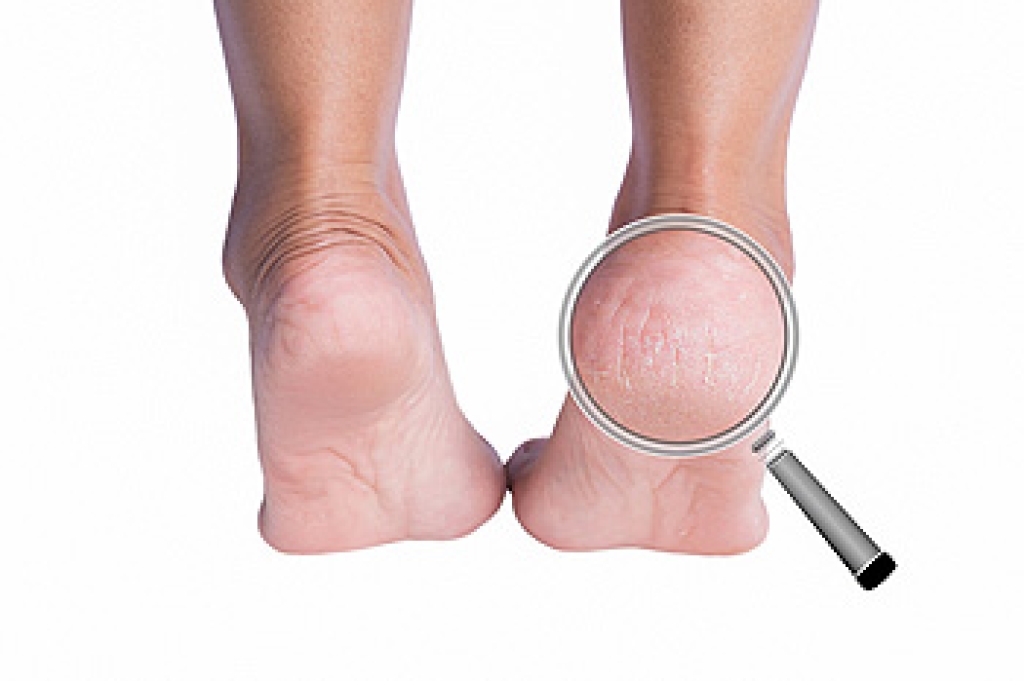
A foot blister is a small fluid-filled pocket that forms on the upper-most layer of the skin. Blisters are filled with clear fluid and can lead to blood drainage or pus if the area becomes infected.

How Do Blisters Form?

Blisters on the feet are often the result of constant friction of skin and material, usually by shoe rubbing. Walking in sandals, boots, or shoes that don’t fit properly for long periods of time can result in a blister. Having consistent foot moisture and humidity can easily lead to blister formation.

Prevention & Treatment

It is important to properly care for the affected area in order to prevent infection and ease the pain. Do not lance the blister and use a Band-Aid to provide pain relief. Also, be sure to keep your feet dry and wear proper fitting shoes. If you see blood or pus in a blister, seek assistance from a podiatrist.

If you have any questions, please feel free to contact our offices located in Woodstock, Jasper, and Marietta, GA . We offer the newest diagnostic and treatment technologies for all your foot care needs.
Read more about Blisters
scroll to top