Like us on Facebook
Follow us on Twitter
Follow us on Instagram
review us on Google

Stop Your Toenail Fungus

Have you noticed discoloration of your toenails? Have they become thickened or brittle? If so, you may be experiencing symptoms of a fungal nail infection. For some, having a fungal nail can be embarrassing. Overcome your embarrassment, and get treated.

What Happens When You Sprain Your Ankle?

An ankle sprain occurs when the foot twists, rolls, or turns beyond its normal range and stretches the ligaments that support the ankle. Ligaments are bands of tissue that help hold the ankle joint in position. A sprain can happen during sports or after a step on an uneven surface. The force of landing with the foot at an awkward angle can stretch or tear these tissues. Pain and swelling can develop quickly. Some patients hear a pop at the time of injury. A severe sprain can also make bearing  weight difficult.

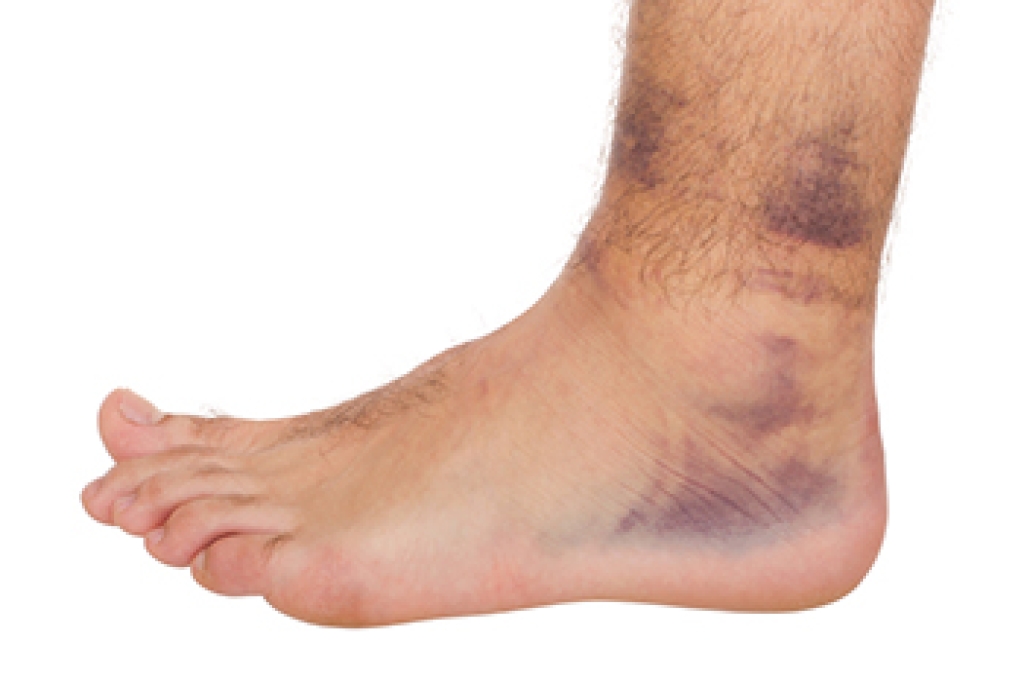
Ankle sprains are graded according to the amount of ligament damage. A grade 1 sprain involves mild stretching and limited damage. Grade 2 involves a partial tear and can cause reduced movement, while a grade 3 involves a complete ligament tear and can make the ankle unstable. Pain, swelling, and bruising can help show how serious the injury is. A broken bone can produce similar symptoms, so determining the exact cause matters. Repeated sprains can lead to chronic pain or a feeling that the ankle gives way.

A podiatrist can examine the injured ankle, check its movement, and determine which ligaments are affected. X-rays can help rule out a fracture when symptoms make the injuries difficult to distinguish. Treatment depends on the grade of the sprain and the stability of the ankle. A podiatrist can also check for joint damage after a serious sprain. A podiatrist can provide immobilization and supportive devices to protect the injured tissues while they heal. Proper treatment also helps reduce the risk of repeated sprains and long-term instability. If you have sprained an ankle, it is suggested that you schedule an appointment with a podiatrist for effective relief and treatment solutions..

Although ankle sprains are common, they aren’t always minor injuries. If you need your ankle injury looked at, contact one of our podiatrists from Foot and Ankle Reconstruction of Georgia. Our doctors can provide the care you need to keep you pain-free and on your feet.

How Does an Ankle Sprain Occur?

Ankle sprains are the result of a tear in the ligaments within the ankle. These injuries may happen when you make a rapid shifting movement while your foot is planted. A less common way to sprain your ankle is when your ankle rolls inward while your foot turns outward.

What Are the Symptoms?

  • Pain at the sight of the tear
  • Bruising/Swelling
  • Ankle area is tender to touch
  • In severe cases, may hear/feel something tear
  • Skin discoloration

Preventing a Sprain

  • Wearing appropriate shoes for the occasion
  • Stretching before exercises and sports
  • Knowing your limits

Treatment of a Sprain

In many cases, the RICE method (Rest, Ice, Compression, and Elevate) is used to treat ankle sprains. However, you should see a podiatrist to see which treatment option would work best with your injury. In severe cases, surgery may be required.

It is important to ask your doctor about rehab options after you receive treatment for your injury. Stretching, strength training, and balance exercises may help the ankle heal while also preventing further injury.

If you have any questions, please feel free to contact our offices located in Woodstock, Jasper, and Marietta, GA . We offer the newest diagnostic and treatment technologies for all your foot care needs.

Read more about Ankle Sprains

When to See a Podiatrist for Achilles Tendon Pain

Achilles tendinopathy is a common cause of pain near the back of the ankle and heel. The Achilles tendon is a strong band of tissue connecting the calf muscles to the heel bone. It plays an important role in walking, running, and pushing the foot off the ground. Achilles tendinopathy develops when the tendon becomes irritated or changes from repeated stress. Pain may occur where the tendon attaches to the heel or farther up the tendon. Common symptoms include aching, stiffness, and tenderness. The tendon may also become swollen or thickened as the condition progresses.


Achilles tendon pain often develops gradually rather than after a single injury. Repeated strain from running, jumping, or other demanding activities can place added stress on the tendon. Limited ankle movement and certain foot mechanics may also contribute. Pain may become more noticeable during activity or when pressure is placed on the affected area. As symptoms worsen, walking and other movements may become uncomfortable. Achilles tendinopathy differs from an Achilles tendon rupture, which involves a partial or complete tear. Sudden severe pain, weakness, or difficulty walking should receive prompt professional evaluation to determine whether a serious tendon injury has occurred.


A podiatrist can evaluate Achilles tendon pain and determine which factors may be contributing to the condition. An examination may include checking the tendon for tenderness or swelling and assessing foot and ankle movement. Imaging may be recommended when more information is needed. Treatment depends on the location and severity of the Achilles tendon problem. A podiatrist can develop an individualized treatment plan focused on reducing tendon stress, improving foot and ankle function, and supporting recovery. Professional care can also help address movement problems that may contribute to continued discomfort. If persistent Achilles pain, stiffness, or swelling is affecting your ability to walk comfortably, it is suggested that you consult a podiatrist for an evaluation and appropriate treatment options.

Achilles tendon injuries need immediate attention to avoid future complications. If you have any concerns, contact one of our podiatrists of Foot and Ankle Reconstruction of Georgia. Our doctors can provide the care you need to keep you pain-free and on your feet.

What Is the Achilles Tendon?

The Achilles tendon is a tendon that connects the lower leg muscles and calf to the heel of the foot. It is the strongest tendon in the human body and is essential for making movement possible. Because this tendon is such an integral part of the body, any injuries to it can create immense difficulties and should immediately be presented to a doctor.

What Are the Symptoms of an Achilles Tendon Injury?

There are various types of injuries that can affect the Achilles tendon. The two most common injuries are Achilles tendinitis and ruptures of the tendon.

Achilles Tendinitis Symptoms

  • Inflammation
  • Dull to severe pain
  • Increased blood flow to the tendon
  • Thickening of the tendon

Rupture Symptoms

  • Extreme pain and swelling in the foot
  • Total immobility

Treatment and Prevention

Achilles tendon injuries are diagnosed by a thorough physical evaluation, which can include an MRI. Treatment involves rest, physical therapy, and in some cases, surgery. However, various preventative measures can be taken to avoid these injuries, such as:

  • Thorough stretching of the tendon before and after exercise
  • Strengthening exercises like calf raises, squats, leg curls, leg extensions, leg raises, lunges, and leg presses

If you have any questions please feel free to contact our offices located in Woodstock, Jasper, and Marietta, GA . We offer the newest diagnostic tools and technology to treat your foot and ankle needs.

Read more about Achilles Tendon Injuries
scroll to top