Like us on Facebook
Follow us on Twitter
Follow us on Instagram
review us on Google

When Thyroid Disease Affects the Feet

Thyroid acropachy is a rare condition linked to autoimmune thyroid disease, most often associated with Graves disease. It causes changes in bones and soft tissues of the hands and feet. In the feet, symptoms may include swelling, clubbing of the toes, skin thickening, and discomfort that affects walking or shoe fit. These changes result from immune system activity that triggers inflammation and abnormal bone growth. Thyroid acropachy usually appears after other thyroid-related symptoms have been present and may occur alongside eye or skin involvement. Treatment focuses on managing the underlying thyroid condition and reducing inflammation. Wearing supportive footwear, custom orthotics, and monitoring foot structure can help maintain comfort and mobility. Because symptoms can mimic other foot disorders, proper evaluation is important. If unusual swelling, toe changes, or foot discomfort occur with thyroid disease, it is suggested that you see a podiatrist for an accurate diagnosis and appropriate care.

When dealing with systemic disease of the feet, it is extremely important to check the affected areas routinely so that any additional problems are caught quickly.  If you have any concerns about your feet and ankles contact one of our podiatrists from Foot and Ankle Reconstruction of Georgia. Our doctors will assist you with all of your podiatric needs.

Systemic Diseases of the Feet

Systemic diseases affect the whole body, and symptoms usually are displayed in the feet. This condition can make a patient’s ability to walk unbearable.  Systemic diseases include gout, diabetes mellitus, neurological disorders, and arthritis.

Gout – is caused by an excess of uric acid in the body. Common symptoms include pain, inflammation, and redness at the metatarsal/phalangeal joint of the base big toe. Gout can be treated by NSAIDs to relieve pain and inflammation, and other drugs that lower the acid levels in the body.

Diabetes mellitus – is an increase in the level of blood sugar that the body cannot counteract with its own insulin. Failure to produce enough insulin is a factor in Diabetes.

Diabetes of the Feet

Diabetic Neuropathy – may lead to damaged nerves and affect the feet through numbness and loss of sensation.

Peripheral Vascular Disease – can restrict the blood flow to the feet, and often times lead to amputation of the feet. 

If you have any questions please contact our offices located in Woodstock, Jasper, and Marietta, GA . We offer the newest diagnostic and treatment technologies for all your foot and ankle needs.

Read more about Systemic Diseases of the Foot

Keeping Comfortable With Bunions

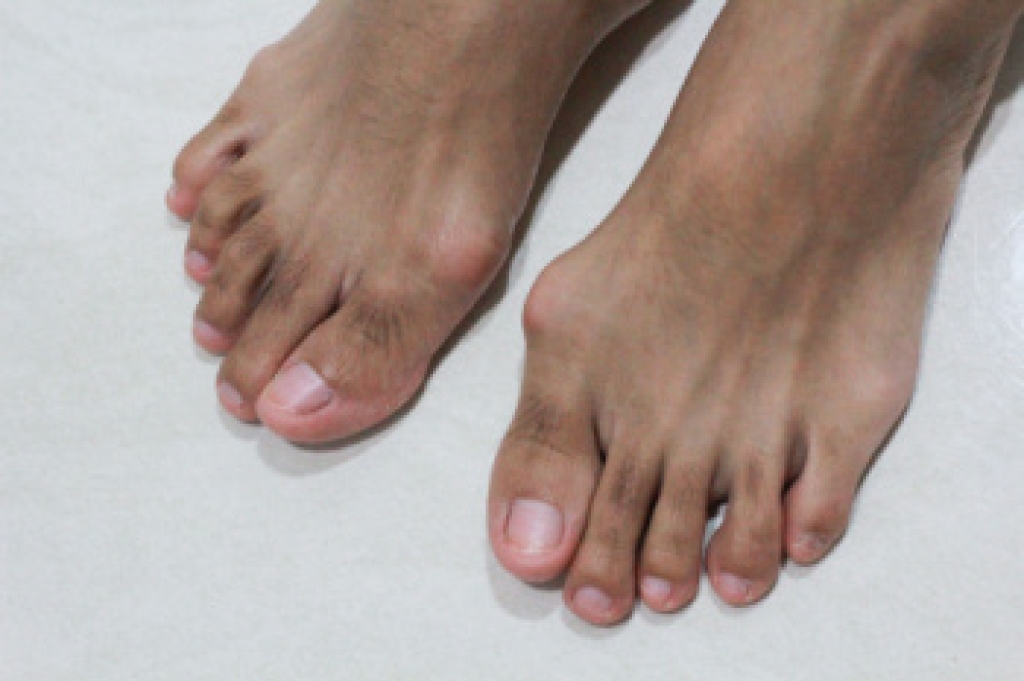
Bunions are a common foot condition where the base of the big toe develops a bony bump as the top of the toe angles inward. They often look like a prominent protrusion on the side of the foot and can appear red or swollen from friction against shoes. Bunions can feel tender, stiff, or painful when walking or wearing tight footwear. Causes include inherited foot structure, arthritis, and shoes that crowd the toes. A podiatrist begins with a thorough evaluation, examining foot alignment, gait, and the extent of joint changes, often using imaging to assess severity. Treatment focuses on slowing progression and relieving discomfort and may include custom orthotics or padding to reduce pressure. Shoe modifications to provide proper space and support, and exercises to maintain flexibility and strength are further options. With early care, patients can prevent worsening pain and preserve mobility. If you have a bunion, it is suggested that you make an appointment with a podiatrist.

If you are suffering from bunions, contact one of our podiatrists of Foot and Ankle Reconstruction of Georgia. Our doctors can provide the care you need to keep you pain-free and on your feet.

What Is a Bunion?

A bunion is formed of swollen tissue or an enlargement of boney growth, usually located at the base joint of the toe that connects to the foot. The swelling occurs due to the bones in the big toe shifting inward, which impacts the other toes of the foot. This causes the area around the base of the big toe to become inflamed and painful.

Why Do Bunions Form?

Genetics – Susceptibility to bunions are often hereditary

Stress on the feet – Poorly fitted and uncomfortable footwear that places stress on feet, such as heels, can worsen existing bunions

How Are Bunions Diagnosed?

Podiatrists often perform two tests – blood tests and x-rays – when trying to diagnose bunions, especially in the early stages of development. Blood tests help determine if the foot pain is being caused by something else, such as arthritis, while x-rays provide a clear picture of your bone structure to your provider.

How Are Bunions Treated?

  • Refrain from wearing heels or similar shoes that cause discomfort
  • Select wider shoes that can provide more comfort and reduce pain
  • Anti-inflammatory and pain management drugs
  • Orthotics or foot inserts
  • Surgery

If you have any questions, please feel free to contact our offices located in Woodstock, Jasper, and Marietta, GA . We offer the newest diagnostic and treatment technologies for all your foot care needs.


Read more about Bunions
scroll to top