Like us on Facebook
Follow us on Twitter
Follow us on Instagram
review us on Google

Preventing Winter Sports Foot and Ankle Injuries

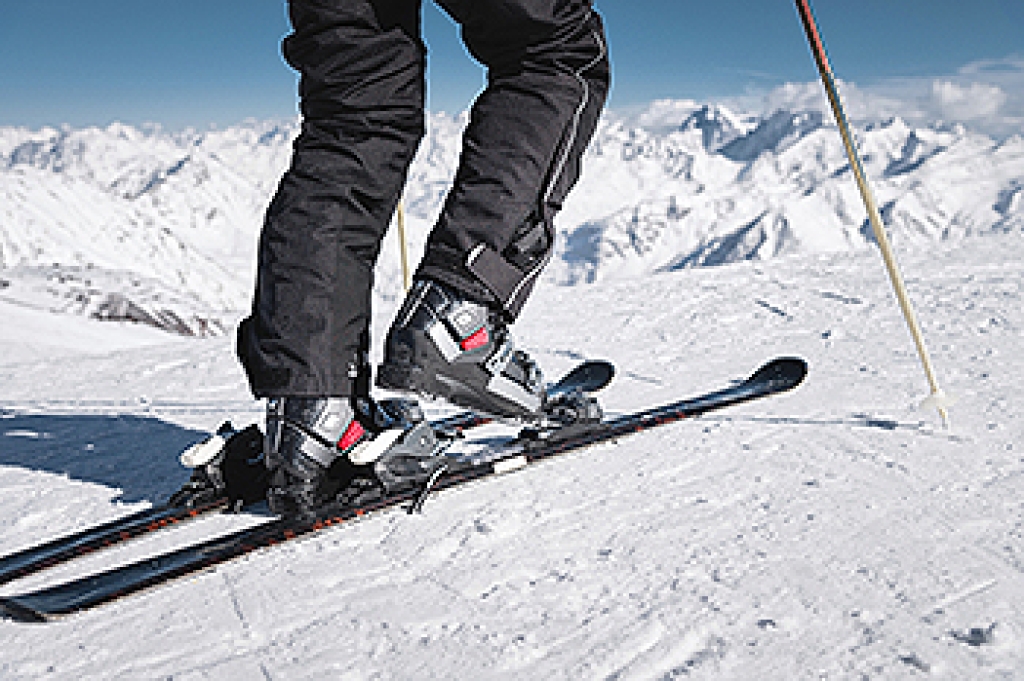
Winter sports offer excitement and exercise, but cold weather increases the risk of foot and ankle injuries. Cold temperatures can reduce muscle flexibility, slow reaction time, and decrease circulation, making ankles more prone to twists, sprains, and strains. Skiing often leads to injuries from falls, improper technique, or equipment that does not provide adequate support. Additionally, ice skating can cause foot and ankle pain if skates do not fit correctly, as tight or loose skates can alter balance and increase pressure on joints. A podiatrist can evaluate injuries, provide proper treatment, recommend supportive footwear or orthotics, and offer guidance on injury prevention techniques. If you participate in winter sports and have sustained a foot or ankle injury, it is suggested that you consult a podiatrist who offers effective treatment and prevention tips.

Ankle and foot injuries are common among athletes and in many sports. They can be caused by several problems and may be potentially serious. If you are feeling pain or think you were injured in a sporting event or when exercising, consult with one of our podiatrists from Foot and Ankle Reconstruction of Georgia. Our doctors will assess your condition and provide you with quality foot and ankle treatment.

Common Injuries

The most common injuries that occur in sporting activities include:

  • Achilles Tendonitis
  • Achilles Tendon Rupture
  • Ankle Sprains
  • Broken Foot
  • Plantar Fasciitis
  • Stress Fractures
  • Turf Toe

Symptoms

Symptoms vary depending upon the injury and in some cases, there may be no symptoms at all. However, in most cases, some form of symptom is experienced. Pain, aching, burning, bruising, tenderness, tightness or stiffness, sensation loss, difficulty moving, and swelling are the most common symptoms.

Treatment

Just as symptoms vary depending upon the injury, so do treatment options. A common treatment method is known as the RICE method. This method involves rest, applying ice, compression and elevating the afflicted foot or ankle. If the injury appears to be more serious, surgery might be required, such as arthroscopic or reconstructive surgery. Lastly, rehabilitation or therapy might be needed to gain full functionality in the afflicted area. Any discomfort experienced by an athlete must be evaluated by a licensed, reputable medical professional.  

If you have any questions please contact our offices located in Woodstock, Jasper, and Marietta, GA . We offer the newest diagnostic and treatment technologies for all your foot and ankle needs.

Read more about Sports Related Foot and Ankle Injuries

It's Time for Beautiful Feet

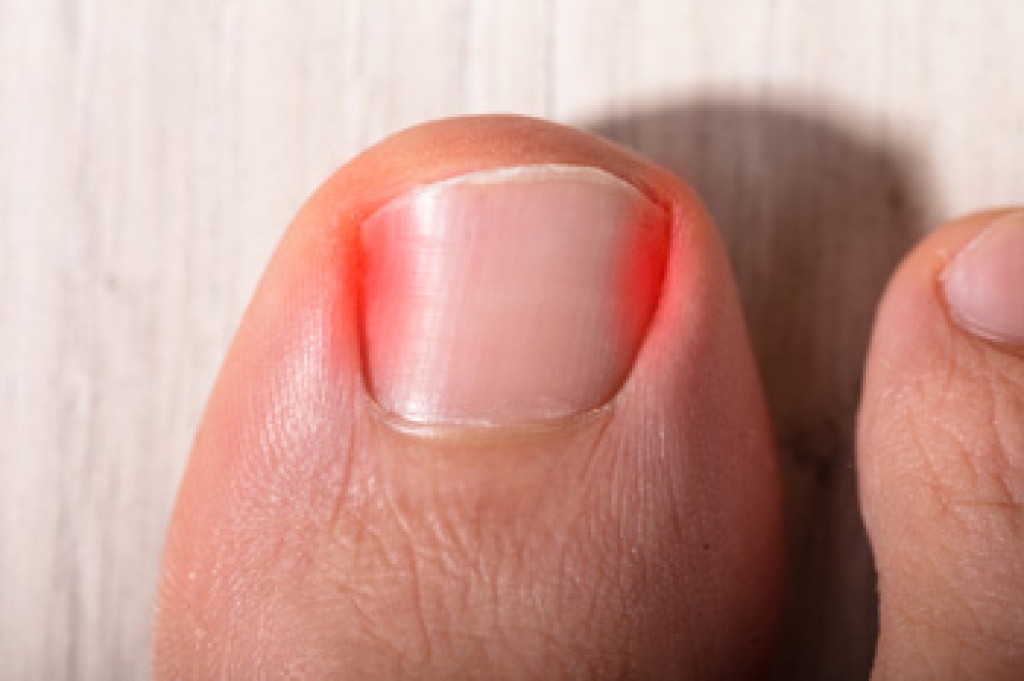
You don't need an excuse to have beautiful nails. Step outside without worrying about the appearance of your feet.

Understanding Cuboid Pain in Runners

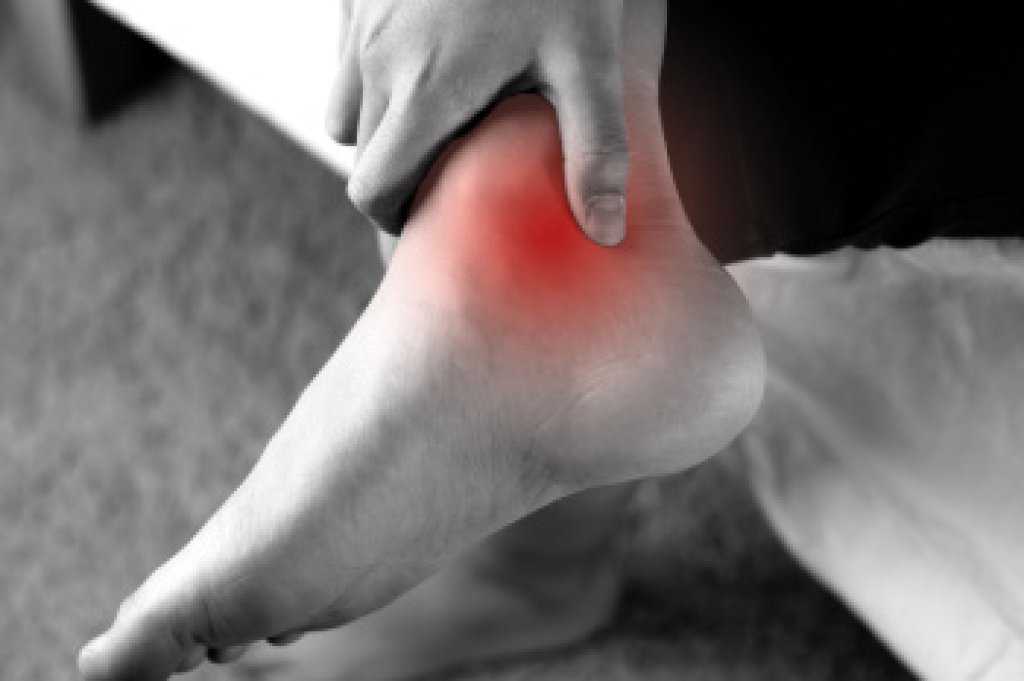
The cuboid is a small but important bone on the outer side of the foot, and with every stride, running places steady pressure along this area. When the cuboid becomes irritated or slightly displaced from repetitive impact or sudden changes in training, runners may feel a sharp ache along the outer midfoot. This discomfort can grow worse during push-off or when navigating uneven ground. Some people notice swelling or a sense that the foot feels weak or unstable. Supportive shoes, gentle stretching, and reducing mileage can offer early relief, but symptoms that do not improve should be taken seriously. A podiatrist can evaluate the cuboid’s position, identify soft tissue irritation, and provide treatments that restore comfort and alignment. If pain along the outer foot continues during or after runs, it is suggested that you see a podiatrist for proper assessment and guidance.

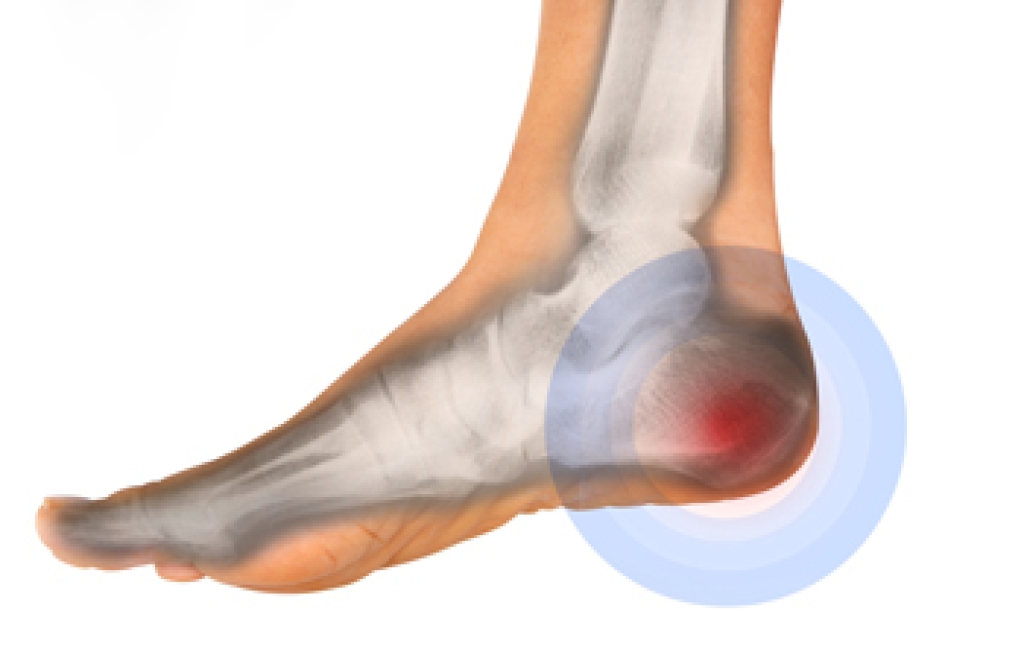
Cuboid syndrome, also known as cuboid subluxation, occurs when the joints and ligaments near the cuboid bone in the foot become torn. If you have cuboid syndrome, consult with one of our podiatrists from Foot and Ankle Reconstruction of Georgia. Our doctors will assess your condition and provide you with quality foot and ankle treatment.

Cuboid syndrome is a common cause of lateral foot pain, which is pain on the outside of the foot. The condition may happen suddenly due to an ankle sprain, or it may develop slowly overtime from repetitive tension through the bone and surrounding structures.

Causes

The most common causes of cuboid syndrome include:

  • Injury – The most common cause of this ailment is an ankle sprain.
  • Repetitive Strain – Tension placed through the peroneus longus muscle from repetitive activities such as jumping and running may cause excessive traction on the bone causing it to sublux.
  • Altered Foot Biomechanics – Most people suffering from cuboid subluxation have flat feet.

Symptoms

A common symptom of cuboid syndrome is pain along the outside of the foot which can be felt in the ankle and toes. This pain may create walking difficulties and may cause those with the condition to walk with a limp.

Diagnosis

Diagnosis of cuboid syndrome is often difficult, and it is often misdiagnosed. X-rays, MRIs and CT scans often fail to properly show the cuboid subluxation. Although there isn’t a specific test used to diagnose cuboid syndrome, your podiatrist will usually check if pain is felt while pressing firmly on the cuboid bone of your foot.

Treatment

Just as the range of causes varies widely, so do treatments. Some more common treatments are ice therapy, rest, exercise, taping, and orthotics.

If you have any questions, please feel free to contact our offices located in Woodstock, Jasper, and Marietta, GA . We offer the newest diagnostic and treatment technologies for all your foot care needs.
Read more about All About Cuboid Syndrome
scroll to top